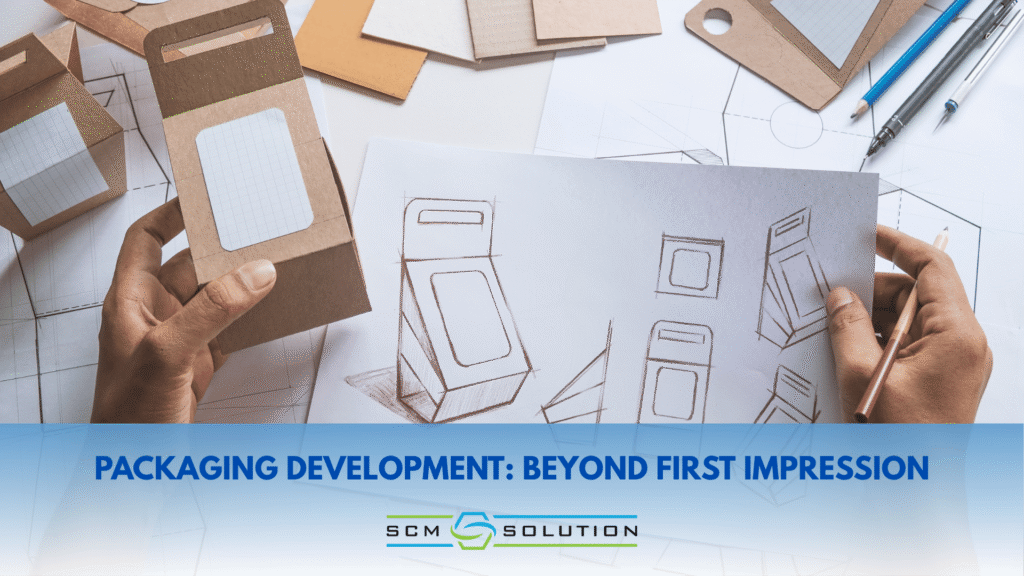
Packaging development is a critical phase of product manufacturing that extends far beyond aesthetics. A well-engineered package protects products during shipping, ensures regulatory compliance, and drives brand loyalty through a memorable unboxing experience. The packaging development process consists of four essential phases: defining concept and requirements, designing and prototyping, rigorous testing and validation, and final mass production. By integrating packaging strategy early in the product development lifecycle, businesses can avoid catastrophic shipping damages, minimize logistics costs, and prevent expensive manufacturing delays, ensuring a highly successful and profitable market launch.
When it comes to launching a product, most teams focus on the product itself and forget about the box it comes in. That’s a big mistake. Packaging isn’t just a container. It’s a critical part of the product experience, especially in retail and e-commerce. Poor packaging can lead to delayed launches, damaged goods, bad reviews, and lost revenue. In this guide, we break down the packaging development process into clear phases and share expert insights on how to get it right from the start and do packaging tests.
Why Packaging Should Start Early
Too often, packaging is treated as an afterthought, something to “figure out later.” But in reality, starting late creates bottlenecks, and in manufacturing, delays are expensive. The packaging process touches multiple parts of your business:
- Product protection during shipping
- Branding and customer perception
- Compliance and regulatory standards
- Logistics and cost efficiency
4 Phases of Packaging Development
To avoid issues, packaging should follow a structured development process. Here are the 4 key phases:

Phase 1: Concept & Requirements
- Define the product size, weight, and fragility
- Understand your sales channel: retail vs. e-commerce
- Set goals: protection, branding, cost, sustainability, target audience
Tip: Involve packaging engineers early to align packaging with shipping and product specs.
Phase 2: Design & Prototyping
- Create dielines and 3D renderings
- Choose materials: corrugated, molded pulp, foams, etc.
- Build physical samples or mockups
This is also when you think about unboxing, especially important for direct-to-consumer brands.
Phase 3: Testing & Validation
Your packaging must survive the supply chain. Perform tests for packaging like:
- Drop tests
- Compression/crush tests
- Vibration and stacking tests
- Environmental conditions (humidity, temperature)
- Print Quality & durability
If you’re shipping globally, make sure your packaging passes ISTA (International Safe Transit Association) or ASTM (American Society for Testing and Materials) standards.
Packaging Must Be Tested Before Mass Production
Make sure to do packaging tests before mass production. Before placing your bulk order, run pre-production tests:
- Fit test with actual product units
- Shipping simulation tests
- Print quality checks
Make sure both form and function are validated before committing to mass production.
Phase 4: Production & Logistics
- Finalize supplier, material specs, and MOQ
- Approve color, print, and construction
- Integrate packaging into your assembly and shipping process
Delays in packaging procurement can hold up the entire product launch.
Retail vs. E-Commerce Packaging: Different Goals, Different Rules
Packaging must fit the sales channel:
| Criteria | Retail Packaging | E-Commerce Packaging |
| Focus | Shelf appeal, brand messaging | Protection, cost-efficiency |
| Materials | Glossy finishes, inserts | Sturdy shipping materials |
| Requirements | Eye-catching design | Strong durability for shipping |
In retail, you need to stand out visually. In e-commerce, you need to survive delivery trucks and warehouses.
The Power of the Unboxing Experience
Unboxing videos, customer reviews, and referrals are all influenced by packaging. A well-designed unboxing experience:
- Builds anticipation
- Reinforces brand values
- Makes the customer feel special
On the flip side, poor packaging = returns, 1-star reviews, and bad social proof.
Common Packaging Mistakes
Here are the most frequent issues we see:
- Using generic or under-tested packaging
- Choosing unsustainable materials without lifecycle planning
- Designing without considering the supply chain
- Over-engineering (adds cost and complexity)
Sustainable Packaging: Not Always Simple
Eco-friendly packaging is a rising trend, but it must be functional first. Problems we’ve seen:
- “Green” materials that aren’t durable enough
- Difficult-to-recycle composites
- Claims that can’t pass certifications or customs checks
Balance your environmental goals with your shipping, cost, and durability needs.
FAQ
Packaging development is crucial because it serves as the frontline protection for your product. Beyond mere aesthetics, carefully engineered packaging prevents shipping damages, ensures strict regulatory compliance, minimizes logistical freight costs, and drastically reduces customer return rates caused by broken goods.
Companies must start packaging development during the early product design phase, never as a last-minute afterthought. Starting early prevents expensive manufacturing bottlenecks, allows engineers to perfectly align box dimensions with shipping pallets, and ensures the packaging materials are thoroughly tested before mass production begins.
The four essential phases are: Concept and Requirements (defining dimensions and goals), Design and Prototyping (creating dielines and selecting materials), Testing and Validation (conducting drop and crush tests), and finally, Production and Logistics (finalizing suppliers and integrating boxes into the assembly line).
Retail packaging is designed primarily to stand out visually on a crowded store shelf and attract immediate consumer attention. Conversely, e-commerce packaging prioritizes extreme structural durability to survive rough handling, multiple delivery trucks, and complex warehouse sorting systems without sustaining physical damage.
During this initial phase, engineers meticulously define the product’s exact size, weight, and fragility. The team establishes strict goals regarding physical protection, branding guidelines, target audience expectations, and maximum cost constraints to ensure the packaging aligns perfectly with the intended sales channel.
Engineers first create digital 3D renderings and precise 2D dielines. From these blueprints, they fabricate physical mockups using selected materials like corrugated cardboard, molded pulp, or custom foam inserts. These prototypes allow teams to physically verify the structural integrity and aesthetic appeal.
The unboxing experience is a powerful marketing tool for direct-to-consumer (DTC) brands. A premium, thoughtfully designed unboxing process builds immense customer anticipation, reinforces core brand values, and actively encourages buyers to share positive reviews and unboxing videos across social media platforms.
Commonly used materials include heavy-duty corrugated cardboard for outer shipping boxes, molded pulp for eco-friendly internal structures, and custom-cut EVA foams for shock absorption. The specific material choice depends entirely on the product’s extreme fragility, overall weight, and the brand’s sustainability goals.
Testing packaging before mass production is absolutely mandatory to prevent catastrophic financial losses. Running comprehensive pre-production tests guarantees the box can physically withstand the harsh realities of the global supply chain, ensuring you do not manufacture thousands of defective, easily crushable boxes.
To guarantee product safety, packaging must undergo rigorous shipping simulation tests. These include severe drop tests, high-pressure compression and crush tests, prolonged vibration tests to mimic truck transport, and extreme environmental tests to check for humidity and temperature resilience.
ISTA (International Safe Transit Association) and ASTM (American Society for Testing and Materials) are globally recognized testing standards. Passing these strict laboratory protocols scientifically proves that your packaging design is highly durable and capable of surviving complex, multi-continental shipping routes without failing.
A fit test involves placing the actual, finalized product directly into the physical packaging prototype. This critical quality control step ensures the internal inserts hold the item securely, preventing internal shifting, scratching, or component damage during rapid transit and handling.
Common mistakes include relying on generic, under-tested boxes, designing packaging without considering actual supply chain constraints, and over-engineering the design, which needlessly inflates shipping costs. Failing to align packaging size with standard shipping pallets also causes massive, hidden logistical expenses.
While environmentally friendly, sustainable packaging carries hidden risks. Many “green” materials, like recycled paper composites, may lack the structural durability required for heavy shipping. Additionally, some complex bio-plastics are extremely difficult to recycle locally, accidentally defeating the original environmental purpose.
A specialized supply chain partner manages the entire packaging lifecycle from initial concept to final factory production. They source highly reliable material suppliers in Asia, execute strict pre-shipment ISTA testing, and aggressively negotiate Minimum Order Quantities (MOQs), ensuring a perfectly smooth product launch.
Summary: Packaging Is Part of the Product
At SCM Solution, we help clients think about packaging during product development, not after. By managing packaging from concept through testing and production, we help ensure:
- Fewer delays
- Better product protection
- A smoother launch
- A better customer experience
Need help with your packaging development process?
📩 Contact us today to get expert support from Asia’s trusted supply chain partner.
Additional Resources
- Case Studies: How SCM Solution Helped Businesses Succeed
- Quality Inspection Service: What You Need To Know
- Choosing the Right SCM Services for Your Business
Follow our LinkedIn page to get further activities
Subscribe to Yvette’s LinkedIn newsletter to read more other case studies in supply chain
