

Packaging Design Guidelines for Electronics
When designing packaging for electronics, several key factors must be taken into consideration to ensure that the final product aligns with the brand image, offers adequate protection, maintains cost-effectiveness, and adheres to environmentally friendly practices.
Principles of Design
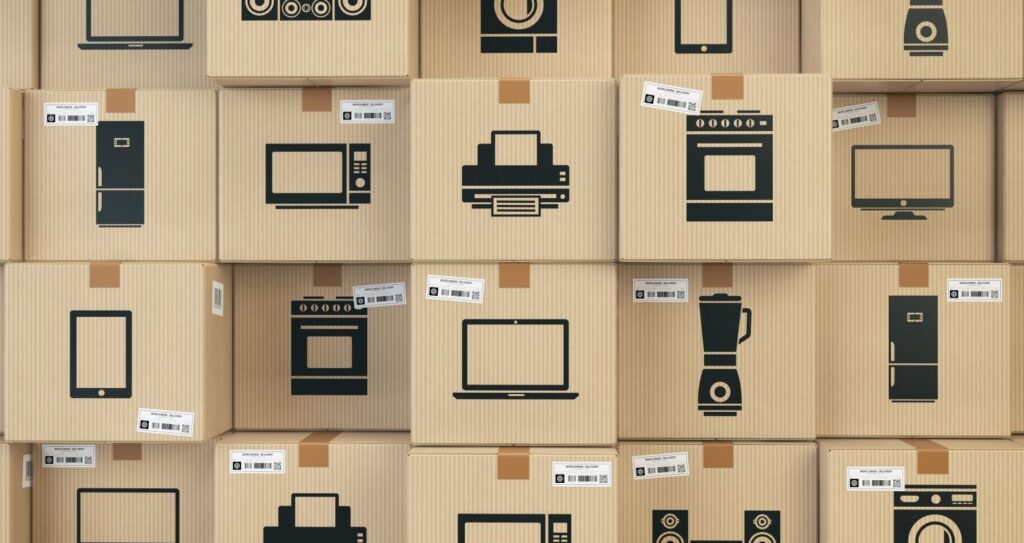
Protect the Product
- Durability: The packaging must be sturdy enough to protect the electronic components from any physical damage during transit and storage.
- Cushioning: Internal padding such as foam or bubble wrap to secure the electronics and prevent movement within the box.
- Moisture Protection: Packaging materials should be able to protect the electronics from moisture which can cause corrosion or short circuits.
Match the Image
- Brand Consistency: The packaging should reflect the brand’s color scheme, typography, and visual elements to maintain consistency and brand recognition.
- Visual Appeal: High-quality graphics and a clear display of the product or its image on the packaging can enhance perceived value.
- Transparent Communication: Include clear instructional and informative labeling to help users understand the product.
Environmental Considerations
Environmental packaging elements should be encouraged in the design process to both protect the environment and support marketing messages to customers. Here are some suggestions for environmental packaging:
- Sustainable Materials: Use recycled, recyclable, or biodegradable materials for packaging when possible.
- Reduced Packaging: Design packaging to be compact and eliminate unnecessary layers or materials to minimize waste.
- Reusable Packaging: Encourage consumers to repurpose packaging, this could be through the design that facilitates secondary uses.
Cost-Effectiveness
- Economies of Scale: While designing packaging, remember that a readily scalable design can reduce costs in the long term.
- Simple Assembly: Design packaging that is easy to assemble to cut down on manufacturing and handling costs.
- Optimized for Shipping: Design packaging that can easily fit shipping standards to avoid extra shipping fees and facilitate easier logistics.
Cost Considerations for Small Quantities
- Material Selection: Opt for materials that offer a good balance between cost and performance. Sometimes slightly more expensive materials can provide better protection and reduce returns, offsetting initial costs.
- Design Simplification: Reduce the complexity of the packaging design to minimize costs associated with printing and production.
- Multi-functionality: Consider designing packaging that can serve multiple product types or sizes to reduce the need for diverse packaging inventories.
- Batch Production: If possible, design packaging that can be used for upcoming products as well as leverage bulk production discounts.
Remember, effective packaging design is not just about aesthetics but also functionality, product protection, cost, and sustainability. Balancing these aspects while keeping the needs and expectations of the target market in mind can lead to successful packaging that not only looks good but also contributes positively to the product experience.
CONTACT US FOR A CONSULTATION FOR UNIQUE SUPPLY CHAIN PROBLEMS OR SOLUTIONS
