
As global demand for secure unmanned aerial vehicles increases, governments and defense sectors are aggressively shifting away from Chinese drones due to severe cybersecurity and geopolitical risks. Taiwan is rapidly emerging as the premier non-Chinese drone manufacturing hub. By leveraging its world-class semiconductor industry, strong R&D ecosystem, and strategic logistical location, Taiwan provides highly secure, NDAA-compliant drone components. Overcoming low-cost Chinese competition requires strategic partnerships and scaled manufacturing capabilities. Partnering with a specialized supply chain expert ensures seamless access to Taiwan’s advanced drone infrastructure, guaranteeing intellectual property protection, regulatory compliance, and scalable production for Western hardware companies.
The global drone market is booming, with an estimated size of USD 73.06 billion in 2024 and expected to grow at a CAGR of 14.3% from 2025 to 2030. As demand for drones rises, there is a clear shift happening — countries and companies are looking for non-Chinese drone alternatives due to security and geopolitical concerns. This creates a unique opportunity for Taiwan to step in as a global leader in drone manufacturing.
The Shift Away from Chinese Drones: Why Countries Are Moving Away from Chinese Drones
- Geopolitical Tensions: Concerns over data security and technology control are pushing countries to find alternatives to Chinese drones.
- China’s Dominance: China — led by DJI — holds about 70% of the global consumer drone market. However, rising security risks mean governments and businesses want more secure options.
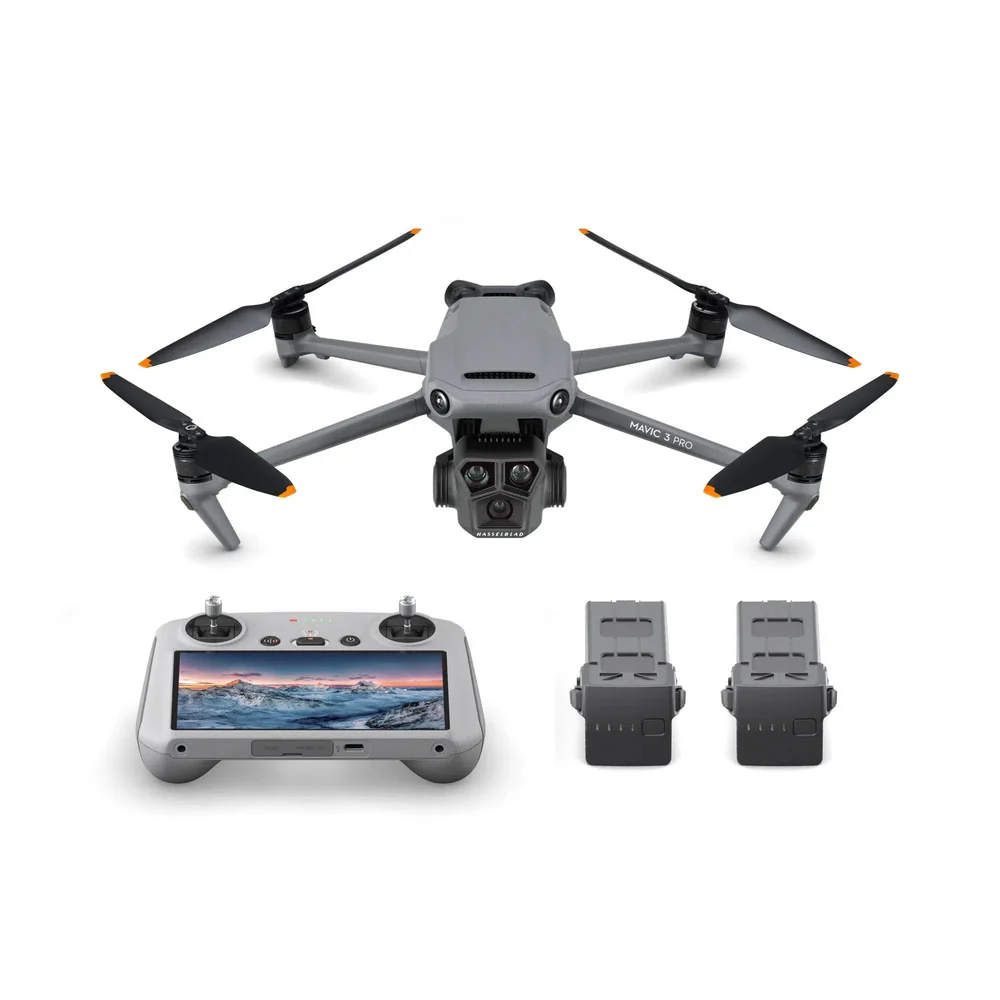
Therefore, the demand for non-Chinese drone suppliers is growing, and Taiwan is in a prime position to meet this need.
Competitive Advantages of Taiwan Drones
- Semiconductor Expertise
- Why It Matters: Drones rely on advanced chips for AI processing, navigation, and communication.
- Taiwan’s Edge: As a leader in semiconductor manufacturing, Taiwan can supply high-quality, secure components for next-generation drones.
- Strong R&D Ecosystem
- Government Support: Taiwan supports AI and drone research through initiatives like the Taiwan Excellence Drone International Business Opportunities Alliance (Tediboa).
- Collaborations: Universities, tech firms, and startups work together to drive innovation and create new drone technologies.
- Strategic Location
- Market Proximity: Taiwan’s position in Asia helps companies quickly ship drones and components worldwide.
- Efficient Distribution: Being close to global shipping routes means faster logistics and fewer delays.
Challenges Taiwan Needs to Overcome
1. Competition from China
- China’s Low-Cost Drones: Chinese manufacturers, like DJI, dominate the low-cost market.
- How Taiwan Can Win: Focus on quality, security, and innovation to stand out from Chinese competitors.
2. Supply Chain Security
- Why It’s Important: Building a secure supply chain free from Chinese components is critical for Taiwan’s drone sector.
- Solution: Finding trusted non-Chinese suppliers ensures product reliability and security.
3. Scaling Manufacturing
- Investment Needs: Taiwan must invest in factories, technology, and skilled talent to scale drone production.
- Growth Strategies: This can be achieved by forming global partnerships and adopting automation technologies.
How Taiwan Drones Can Seize the Opportunity
1. Strengthen Global Partnerships
- Collaborate with the U.S. and Europe: Work with Western drone companies to combine AI and tech expertise.
- Attract Foreign Investment: Encouraging global investors will bring advanced technologies and new funding.
2. Government Support and Policies
- Tax Incentives: Introduce tax benefits for drone manufacturers to boost local production.
- R&D Programs: Fund research programs focused on AI, robotics, and drone innovation.
3. Foster Innovation and Talent Development
- Training Programs: Launch AI and drone technology training to build a skilled workforce.
- Support Startups: Encourage startups and incubators to develop new drone technologies and solutions.
The Role of SCM Solution in Building Taiwan’s Drone Ecosystem
At SCM Solution, we support businesses in building secure, efficient drone supply chains. Here’s how we can help:
1. Supply Chain Optimization
We connect companies with trusted non-Chinese drone suppliers in Taiwan and Asia, helping them reduce reliance on Chinese components.
2. Manufacturing Partnerships
We assist global drone companies in forming partnerships with Taiwanese manufacturers — leveraging Taiwan’s strengths in semiconductors and AI.
3. Logistics and Compliance
We simplify shipping, handle quality checks, and ensure regulatory compliance, allowing companies to focus on drone innovation.
FAQ
The world is actively moving away from Chinese drones due to severe cybersecurity vulnerabilities and geopolitical tensions. Western governments and defense agencies fear that sensitive reconnaissance data and intellectual property could be secretly transmitted back to the Chinese government, creating unacceptable national security risks.
The National Defense Authorization Act (NDAA) explicitly prohibits U.S. federal agencies from purchasing drones containing core components manufactured in China. This strict regulation forces Western defense contractors to completely overhaul their supply chains and source hardware exclusively from trusted, allied nations to secure government contracts.
Chinese manufacturers, such as DJI, dominate the commercial drone market by leveraging massive government subsidies and hyper-scaled supply chains to offer unbelievably low prices. Competing against these aggressive pricing models requires non-Chinese manufacturers to strictly focus on superior data security, advanced AI capabilities, and military-grade reliability.
Taiwan is emerging as a global drone hub due to its unparalleled expertise in semiconductor fabrication, advanced printed circuit board assembly (PCBA), and strong intellectual property protection laws. It provides a geopolitically secure, highly capable alternative for Western companies demanding NDAA-compliant manufacturing.
Modern drones are flying computers that rely heavily on advanced microchips for AI processing, GPS navigation, and encrypted communication. Taiwan’s absolute dominance in global semiconductor manufacturing guarantees that drone companies have direct, uninterrupted access to the world’s most secure and powerful electronic components.
The Taiwanese government actively accelerates drone innovation through strategic initiatives like the Taiwan Excellence Drone International Business Opportunities Alliance (Tediboa). They provide heavy R&D funding, specialized tax incentives, and foster deep collaborations between tech universities and hardware startups to build a robust local talent pool.
Taiwan is strategically located at the absolute center of the Asia-Pacific trade network. This prime geographic location allows drone manufacturers to easily import specialized raw materials from neighboring allied nations and rapidly export finished, high-tech drones to Western markets with minimal shipping delays.
The biggest challenge for Taiwan is rapidly scaling its manufacturing capacity to meet massive global demand. Transitioning from high-tech R&D to mass production requires heavy foreign investment in automated assembly lines, precision factory tooling, and a highly skilled industrial workforce.
A secure supply chain is critical because a single restricted Chinese microchip hidden within a drone’s Bill of Materials (BOM) instantly disqualifies the entire product from lucrative Western defense contracts. Taiwan must guarantee a 100% “clean” ecosystem, from raw material sourcing to final assembly.
Taiwan can win globally by strictly avoiding a “race to the bottom” on price. Instead, Taiwanese manufacturers must differentiate themselves by forming strategic partnerships with Western aerospace firms, integrating cutting-edge AI technologies, and guaranteeing absolute, uncompromising cybersecurity for enterprise and government clients.
Collaborating directly with U.S. and European defense companies allows Taiwanese factories to combine their world-class hardware manufacturing capabilities with advanced Western software and AI expertise. This synergy creates highly sophisticated, battle-ready drones that perfectly meet the exact requirements of NATO-allied militaries.
A specialized Supply Chain Management (SCM) partner actively connects Western companies with vetted, highly trusted drone component suppliers in Taiwan. They meticulously audit the factory floor to guarantee that no restricted Chinese parts enter the assembly line, ensuring absolute NDAA compliance.
SCM Solution leverages deep local networks to pair global drone companies with Taiwan’s top-tier semiconductor and aerospace manufacturers. We bypass language barriers, aggressively negotiate pricing, and protect your proprietary designs, allowing you to seamlessly utilize Taiwan’s advanced engineering ecosystem.
Drone supply chains face extremely complex export controls and international regulations. Local SCM experts strictly manage customs documentation, conduct rigorous pre-shipment quality inspections (PSI), and optimize global freight routes, ensuring your high-value drone hardware is delivered securely and fully compliant with international trade laws.
A drone company must transition to Taiwan immediately if they plan to target government, defense, or critical infrastructure contracts. Waiting until a product is fully developed in China forces a catastrophically expensive supply chain pivot. Engaging Taiwanese suppliers during early prototyping prevents massive launch delays.
Conclusion
Taiwan drones have the potential to become the next global drone manufacturing hub. With its advanced technology, strategic location, and strong government support, it’s ready to step onto the world stage.
However, to secure its spot, Taiwan must overcome Chinese competition, build secure drone supply chains, and scale manufacturing. Strategic global partnerships and innovation are key to the development of Taiwan drones.
Read other related articles:
Looking to build a strong and secure drone supply chains? Let SCM Solution guide you through the process. Contact us today to power the future of drone technology and support your drone supply chains seamlessly.
Subscribe to Yvette’s LinkedIn newsletter to read more other case studies in supply chain
