

Effective supply chain management (SCM) is critical because it strategically coordinates the entire flow of materials, information, and finances from raw material sourcing to final customer delivery. It directly impacts a company’s profitability by minimizing operational waste, reducing inventory holding costs, and preventing costly production delays. A streamlined supply chain enhances customer satisfaction through on-time deliveries and rigorous quality control. Furthermore, robust SCM provides a competitive advantage by enabling businesses to swiftly adapt to market fluctuations, mitigate global geopolitical risks, and scale operations internationally, ensuring long-term financial resilience and sustainable business growth.
Advantages of Supply Chain Management: The Power of Streamlined Supply Chains
In the ever-evolving landscape of global commerce, effective supply chain management (SCM) has emerged as a vital component for businesses seeking to gain a competitive edge. The efficient coordination of processes, resources, and information from the initial sourcing of raw materials to the final delivery of products to customers can significantly impact a company’s bottom line. In this article, we will explore the numerous advantages of supply chain management, why it has become a crucial aspect of modern business operations, and how to maintain and optimize it. In addition, certain disadvantages and challenges that organizations need to address.
What Is Effective Supply Chain Management?
Effective supply chain management is a strategic approach to planning, controlling, and optimizing the flow of materials, information, and finances across the entire supply chain from the point of origin to the point of consumption. The primary goal of effective supply chain management is to maximize customer value while minimizing costs and achieving a competitive advantage in the marketplace. An effectively managed supply chain contributes to the overall success, profitability, and sustainability of a company.

The Importance of Effective Supply Chain Management
Effective supply chain management is vital for businesses as it directly impacts their competitiveness and profitability. It ensures that products or services are delivered efficiently, cost-effectively, and on time to meet customer demands. By optimizing processes, minimizing waste, and enhancing visibility, supply chain management reduces operational costs and enhances resource allocation. Additionally, it mitigates risks, improves customer satisfaction, and enables businesses to adapt to changing market conditions.

Benefits of Supply Chain Management:
Supply chain management helps companies manage the flow of goods from start to finish. Here are the benefits of supply chain management:
1. Cost Reduction and Efficiency
One of the primary advantages of implementing supply chain management practices is the potential for cost reduction and improved efficiency. Supply Chain Management helps businesses streamline their operations, minimize waste, and optimize resource allocation. This, in turn, leads to lower production costs, reduced carrying costs, and more efficient inventory management.

a. Just-in-Time (JIT) Inventory
JIT inventory management is a key element of Supply Chain Management that aims to minimize inventory holding costs. By only ordering and producing what is needed when it’s needed, companies can reduce storage expenses, the risk of obsolescence, and the cost of capital tied up in unsold goods.

b. Supplier Collaboration
Effective Supply Chain Management involves strong collaboration with suppliers. Establishing long-term relationships with reliable suppliers can lead to better pricing agreements, reduced lead times, and improved product quality. Collaborative relationships with suppliers enable businesses to source materials more efficiently and reduce supply chain disruptions.

2. Enhanced Customer Satisfaction
In today’s competitive market, customer satisfaction is paramount. One of the benefits of effective Supply Chain Management can contribute significantly to meeting and exceeding customer expectations.
a. On-Time Deliveries
Timely deliveries are crucial for maintaining customer trust and loyalty. Supply Chain Management helps businesses manage transportation and logistics effectively, ensuring that products reach customers when promised. This can lead to higher customer satisfaction rates and increased repeat business.

b. Product Quality
A well-managed supply chain also contributes to product quality. By carefully monitoring and controlling each stage of the production process, businesses can reduce defects and ensure that products meet or exceed quality standards, enhancing customer satisfaction and brand reputation.
3. Increased Agility and Responsiveness
In today’s fast-paced business environment, companies must be able to adapt quickly to changes in market demand, supply disruptions, and other external factors. Supply Chain Management provides the framework for agility and responsiveness.
a. Demand Forecasting
Accurate demand forecasting is a crucial aspect of Supply Chain Management. By using data analytics and market research, businesses can predict shifts in customer demand and adjust their production and inventory levels accordingly. This allows them to avoid overstocking or understocking issues.
b. Risk Mitigation
Supply chain disruptions can occur due to various factors, including natural disasters, geopolitical events, and economic fluctuations. Supply Chain Management enables businesses to identify potential risks and develop contingency plans to mitigate these risks, ensuring the continuity of operations even in challenging circumstances.

4. Competitive Advantage
A well-optimized supply chain can serve as a source of competitive advantage. Companies that can deliver products faster, at lower costs, and with higher quality than their competitors are more likely to succeed in the market.
a. Cost Leadership
Efficient Supply Chain Management can lead to cost leadership, allowing businesses to offer competitive pricing to customers while maintaining healthy profit margins. This competitive pricing can attract more customers and increase market share.

b. Product Differentiation
Supply chain management also facilitates product differentiation. Businesses can use SCM to offer unique features, customization options, or faster delivery times, setting their products apart from competitors and attracting customers seeking added value.
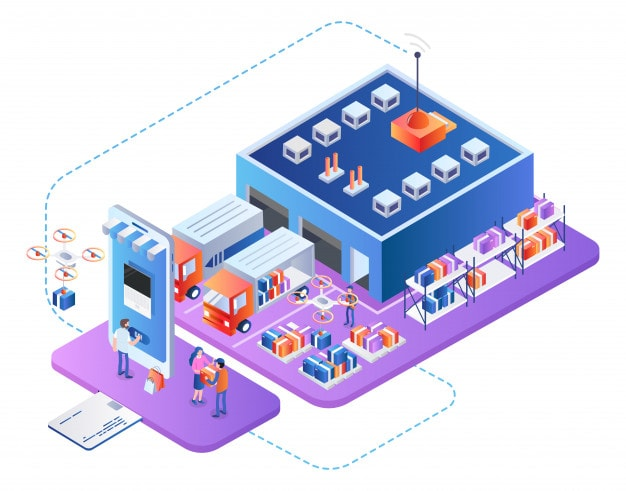
5. Global Reach and Expansion Opportunities
Globalization has expanded market opportunities for businesses, but it has also introduced complexities in supply chain management. SCM enables companies to navigate these complexities and expand their reach.
a. International Sourcing
SCM allows businesses to efficiently source materials and components from international suppliers. This can lead to cost savings and access to specialized resources that may not be available locally.
b. International Distribution
For companies looking to expand internationally, an effective supply chain is essential for reaching global markets. Supply Chain Management helps manage international logistics, customs compliance, and distribution networks.

6. Improved Quality Control
Quality control is one of the most important aspects of supply chain management, and it plays a significant role in ensuring that products meet or exceed quality standards before they reach customers. As part of their supply chain management process, supply chain professionals should regularly audit vendors and raw materials. Both facilities and vendors benefit from this since they can identify potential improvement areas, allowing them to correct their mistakes before they spread to other facilities.
As a result, implementing rigorous quality control processes at every stage of the supply chain can help to reduce defects and ensure product quality.

Challenges and Solutions of Supply Chain Management
While supply chain management offers numerous advantages, it also comes with certain disadvantages and challenges that organizations or supply chain leaders need to address. Here are some of the key disadvantages and solutions of supply chain management:
1. Long delivery time:
One of the most significant challenges of supply chain management is delivery time. It can often be much longer because goods will depend on transportation and shipment from different countries. The delivery time even may be much longer and harder depending on the world’s situation or unexpected disruptions. For example, the COVID-19 pandemic disrupted infrastructure and networks of supply chains both locally and internationally.

Having strict and clear deadlines and timelines can support your suppliers to achieve the goals you set. The critical first step is to create a shared schedule with all suppliers for daily, weekly, and monthly tasks. Next, make sure everyone follows and updates the process of orders to ensure all parties are informed. Build flexibility into your supply chain to respond quickly to changing market conditions, unexpected disruptions, or shifts in customer preferences.
2. Cultural and Language Barriers:
In global supply chains, dealing with diverse cultures and languages can create communication and collaboration challenges. Language barriers and a lack of transparency during discussions can be challenging and cause miscommunications.
If you’re working with suppliers from different countries, you should have regular meetings at a suitable time for all parties across time zones to manage the progress. In addition, make sure you have a third party to help you translate correspondence and keep track of the progress.

3. Loss of Quality Control
In a complex supply chain, products often pass through multiple hands before reaching the end customer. Each link in the chain, such as suppliers, manufacturers, distributors, and retailers, may have its own quality control processes and standards. This fragmentation can make it challenging to maintain consistent product quality throughout the supply chain, plus it is also affected by outside elements like language barriers, poor management, etc.

To address the loss of quality control, organizations can implement several strategies to supply chain:
- Supplier Qualification: Rigorously evaluate and qualify suppliers based on quality standards and adherence to quality control processes.
- Supplier Audits: Conduct regular audits of suppliers to ensure compliance with quality standards and regulations.
- Quality Assurance Procedures: Implement robust quality assurance procedures and checkpoints at various stages of the supply chain.
- Training and Education: Train and educate supply chain partners on quality control requirements and standards.
While the complexity of supply chains presents quality control challenges, organizations can proactively manage these issues through diligent oversight, collaboration, and the use of advanced technologies to ensure consistent product quality and customer satisfaction.
How to maintain and optimize the benefits of effective Supply Chain Management?

Maintaining and optimizing the benefits of effective supply chain management (SCM) requires ongoing efforts and a strategic approach. Here are steps and strategies to help you achieve this:
- Continuous Monitoring: Regularly monitor and assess your supply chain performance using key performance indicators (KPIs) and metrics. This provides visibility into areas that require improvement.
- Data-Driven Decision-Making: Use data analytics to gain insights into supply chain operations. Data-driven decision-making allows you to identify trends, forecast demand accurately, and optimize processes.
- Supplier Relationship Management (SRM): Maintain strong relationships with suppliers. Regularly evaluate supplier performance, communicate expectations, and collaborate on improvement initiatives.
- Employee Training and Development: Invest in training and development programs for supply chain personnel to ensure they have the skills and knowledge needed to manage an effective supply chain.
- Lean Principles: Embrace lean principles to eliminate waste, improve process efficiency, and enhance overall supply chain performance.
- Sustainability and Compliance: Stay compliant with regulations and industry standards, and promote sustainable practices within the supply chain. Ethical sourcing, eco-friendly initiatives, and responsible operations enhance reputation and competitiveness.
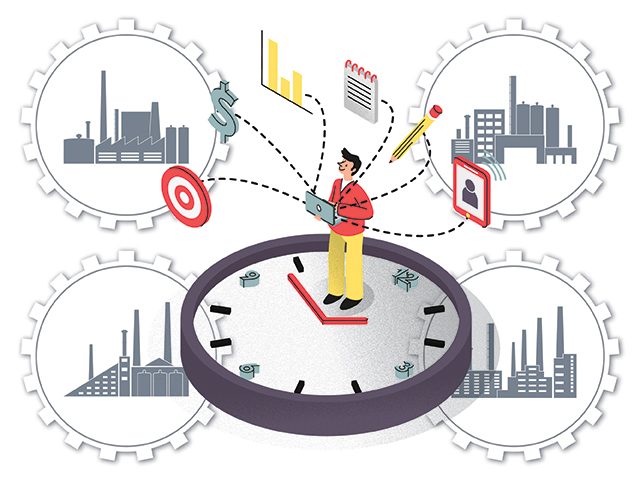
By consistently implementing the right strategies and maintaining a culture of continuous improvement, supply chain managers can preserve and enhance the benefits of effective supply chain management. Adaptability, collaboration, and a data-driven approach are key to optimizing your supply chain for the long term.
FAQ
Effective supply chain management (SCM) is the strategic coordination of materials, information, and finances from raw material sourcing to final consumer delivery. It optimizes production workflows to maximize customer value, minimize operational waste, and achieve a sustainable competitive advantage in the global marketplace.
It is critically important because it directly dictates a company’s profitability and market survival. Effective SCM drastically lowers manufacturing costs, prevents catastrophic production delays, ensures strict product quality, and allows businesses to rapidly adapt to unexpected global economic or geopolitical disruptions.
SCM reduces costs by eliminating manufacturing waste and streamlining logistics. It optimizes raw material procurement, lowers expensive warehouse holding fees through highly efficient inventory management, and consolidates shipping routes to secure significantly cheaper international air and ocean freight rates.
SCM directly improves customer satisfaction by guaranteeing accurate, on-time product deliveries. By strictly controlling the manufacturing and logistics timeline, businesses prevent frustrating out-of-stock scenarios, ensure high-quality, defect-free products, and build immense long-term brand loyalty among end consumers.
Just-In-Time (JIT) inventory is a lean supply chain strategy where factories only order and receive raw materials exactly when they are needed for production. This systematically minimizes expensive warehouse storage fees and drastically reduces the financial risk of holding obsolete inventory.
Accurate demand forecasting uses historical data and predictive analytics to anticipate future customer purchasing behavior. This allows supply chain managers to strategically adjust factory production schedules and inventory levels, successfully preventing both costly overstocking and disastrous product shortages.
Supplier collaboration builds transparent, long-term manufacturing partnerships. Collaborating closely with reliable vendors leads to negotiated bulk discounts, faster production lead times, priority status during global material shortages, and joint innovation in product design and manufacturing efficiency.
A highly optimized supply chain creates a competitive advantage by enabling cost leadership. Companies can manufacture and deliver products significantly faster and cheaper than rivals. This allows them to offer competitive retail pricing while maintaining healthy, sustainable profit margins.
The biggest global challenges include navigating volatile geopolitical trade tariffs, unpredictable international shipping delays, language barriers with overseas factories, and maintaining strict quality control when products pass through multiple fragmented tiers of global sub-suppliers.
Cultural and language barriers cause severe miscommunications regarding engineering specifications and strict delivery deadlines. This directly leads to manufacturing defects, unapproved material substitutions, and broken production schedules. Utilizing a localized, bilingual supply chain partner completely neutralizes this risk.
Globalization expands market reach but heavily complicates SCM by introducing complex cross-border customs regulations, varying international safety compliances, volatile currency exchange rates, and significantly longer, multi-modal transit routes that are vulnerable to extreme weather and port congestion.
Supply chain risks are mitigated by deliberately diversifying the supplier base through a “China Plus One” strategy, continuously monitoring geopolitical shifts, maintaining emergency safety stock for critical components, and writing robust contracts with reliable alternative manufacturers.
Businesses prevent quality loss by enforcing strict Standard Operating Procedures (SOPs), establishing a locked “Golden Sample” for factories to match, and deploying independent, third-party quality control inspectors to physically audit the goods before they are loaded onto a shipping vessel.
Supply chain audits physically verify that a factory complies with required engineering standards, labor laws, and quality control protocols. Regular, unannounced audits actively prevent “quality fade” and ensure the manufacturer is not secretly outsourcing production to unauthorized, substandard facilities.
A specialized partner like SCM Solution acts as a company’s dedicated local extension in Asia. They physically audit factories, aggressively negotiate pricing in the local language, enforce strict quality control, and seamlessly manage complex global logistics from prototype to final delivery.
Let SCM Solution Help You Manage Your Supply Chain From Beginning To End!
In a highly competitive business landscape, conducting effective supply chain management has evolved from a back-office function to a strategic driver of success. With the listed benefits and challenges of supply chain management, companies/supply chain leaders should invest in optimizing their supply chains can position themselves for long-term success and resilience in an ever-changing business environment. As technology continues to advance and global markets evolve, the role of supply chain management will only become more critical in driving business growth and achieving a sustainable future.
SCM Solution is the industry expert in supply chain management services in Asia. Whether you want to establish initial contact with a potential supplier, audit an existing supplier, resolve quality issues, or inspect goods before purchase, SCM Solution is on the ground to help you streamline your production. Our experienced and professional team can help all stages of your manufacturing projects and supply chain activities while seeking good benefits and cost savings for your business.
If you’ve been in any issues in the supply chain, it’s the perfect time to call us and discuss your project requirements.
