
Safety Certifications in the Electronics Manufacturing Industry
In the electronics manufacturing industry, safety certifications are crucial for ensuring that electronic products meet specific standards for safe operation and are compliant with regional and international regulations. Manufacturers must acquire these certifications to distribute their products legally and to enhance consumer trust.
Key Electronics Safety Certifications
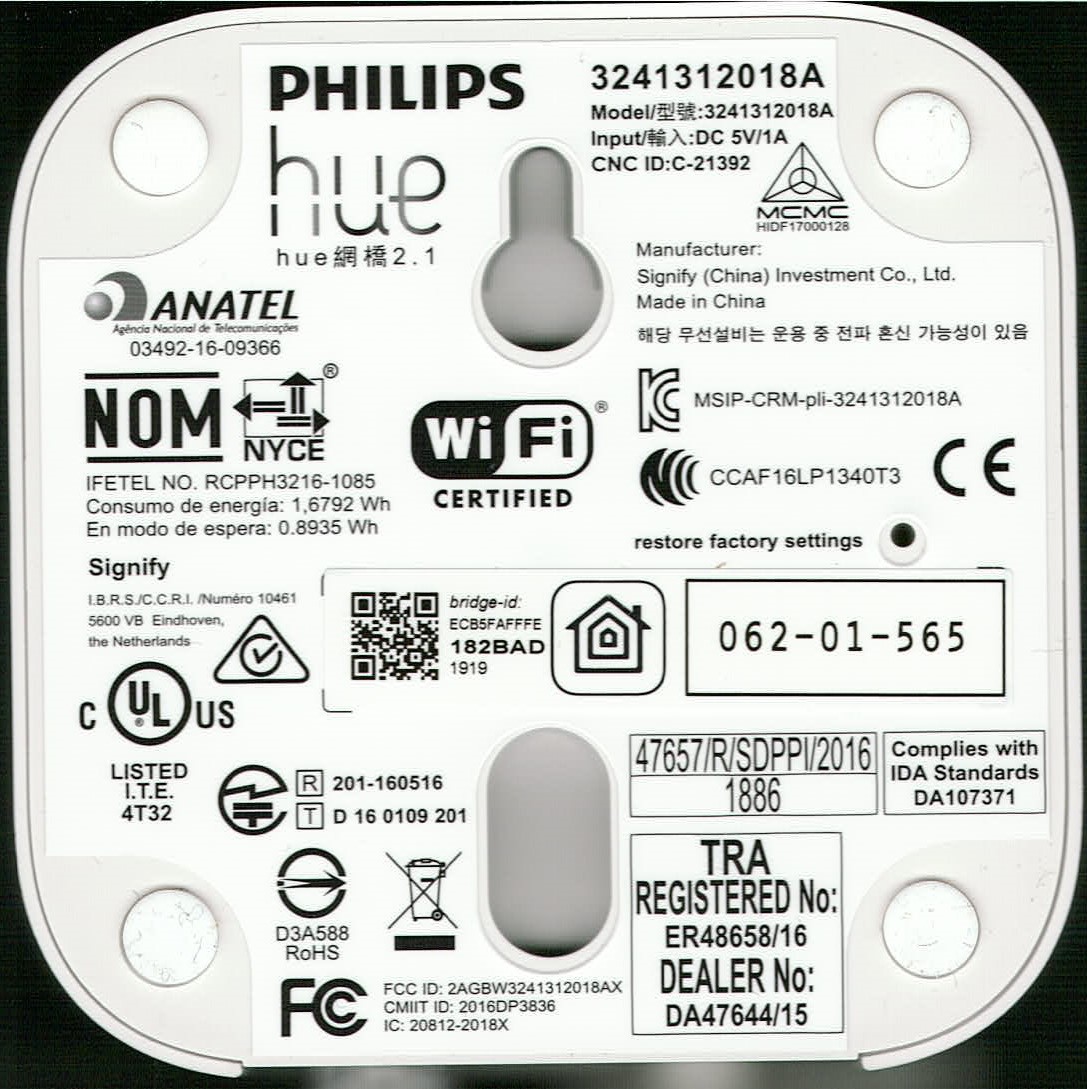
- UL Certification (Underwriters Laboratories): A North American safety certification that indicates compliance with safety requirements. It is widely recognized in the United States and Canada.
- CE Marking (Conformité Européenne): For products sold within the European Economic Area (EEA), indicating conformity with health, safety, and environmental protection standards.
- CSA Certification (Canadian Standards Association): A Canadian certification for electronic products that signifies compliance with national standards.
- IEC Standards (International Electrotechnical Commission): A series of international standards for all electrical, electronic, and related technologies.
- RoHS Compliance (Restriction of Hazardous Substances): Originating in the EU, this restricts the use of specific hazardous materials found in electronic products.
- FCC Certification (Federal Communications Commission): Required in the United States, this ensures that electronic products comply with limits regarding electromagnetic interference.
- CCC (China Compulsory Certification): a mandatory certification including product testing in China, an initial factory audit, and subsequent annual follow-up inspections for products that are listed in the CCC catalog.
The Importance of Safety Certifications
Safety certifications serve multiple purposes in the manufacturing and distribution of electronic products:
- Risk Reduction: Certifications indicate that a product has been tested and meets safety criteria, reducing the risk of accidents and legal issues.
- Market Access: Many markets mandate that products have certain safety certifications before they can be sold legally within their jurisdiction.
- Consumer Confidence: Certified products give consumers confidence in their safety and compliance with regulations.
International Recognition of Certifications
While some certifications may be well-known internationally, there is no single universal standard that is recognized by every country. Manufacturers must be aware of the following aspects related to international recognition:
- Regional Requirements: Manufacturers must understand and meet the specific standards and certification requirements of each region in which they intend to market and sell their products.
- Reciprocity and Mutual Recognition Agreements: Some certifications may be recognized reciprocally between countries or regions, often due to mutual recognition agreements.
- Testing and Compliance: Even when a safety certification is internationally recognized, products may still need to undergo additional testing or modification to comply with local standards.
When seeking international distribution, manufacturers should perform thorough research or consult with compliance specialists to determine the necessary steps to obtain the appropriate safety certifications. Understanding and complying with the diverse certification landscape is vital for legal distribution and the successful global acceptance of electronic products.
CONTACT US FOR A CONSULTATION FOR UNIQUE SUPPLY CHAIN PROBLEMS OR SOLUTIONS
