

Qualification Testing Guide
Qualification testing is a critical part of the Design Validation Test (DVT) stage. This phase is designed to ensure that the final product meets all design specifications, and safety regulations, and is ready for mass production. Below are the comprehensive steps and criteria to effectively conduct a qualification test.
Purpose of Qualification Test
The main goal of qualification testing is to:
- Validate the product against its design requirements.
- Ensure that it performs reliably under real-world conditions.
- Assess its safety and compliance with relevant standards.
- Identify any last-minute issues that need resolving before the product goes to market.
Criteria and Standards for Qualification Test
To pass the qualification test, a product should meet the following criteria:
- Functionality: Test to certify that all functions of the product work as intended. Conduct an array of scenarios that simulate typical end-user operations.
- Performance: Evaluate the product’s performance metrics under various conditions. These might include speed, efficiency, and accuracy tests that align with the product’s purpose.
- Durability and Reliability: Stress test the product to see how it holds up over time or in adverse conditions. Include accelerated life testing to predict long-term performance.
- Safety: Execute rigorous safety testing to ensure that there is no risk of harm to users. This includes checking for electrical safety, thermal tests, and assessing any mechanical hazards.
- Environmental: Determine product resilience in different environmental conditions like temperature, humidity, dust, and vibration. These tests mimic the environments where the product may be used or stored.
- Regulatory Compliance: Test for compliance with regional and international standards (e.g., FCC, CE, RoHS). This ensures the product can be sold in various markets without legal complications.
- User Experience: In some cases, user testing is carried out to verify that the product is intuitive, convenient, and pleasurable to use.
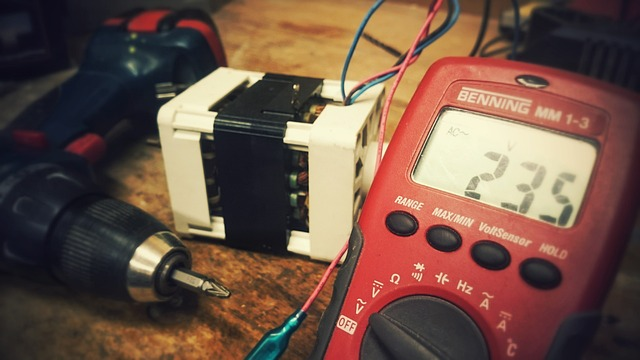
Stage of Qualification Testing
Qualification testing typically occurs during the DVT stage, which is a sub-part of the development phase following the successful completion of the prototype or EVT (Engineering Validation Test) phase. The DVT stage assesses the product in its final form using production methods and materials intended for the marketplace. EVT is conducted on the first engineering prototypes to ensure that the basic unit meets design goals and specifications
Conducting the Qualification Test
- Develop a detailed test plan that covers all aspects of use and conditions the product will encounter.
- Gather the necessary testing tools, facilities, and safety equipment.
- Train the test personnel thoroughly on the test procedures and safety precautions.
- Execute the tests as per the designed scenarios and record the results meticulously.
- Review the collected data and compare it with the acceptance criteria.
- Document any failures and identify root causes for issues that arise.
- Retest improved versions until all qualification criteria are met.
- Compile a comprehensive report summarizing the test results and the product’s readiness for mass production.
By adhering to these structured steps and maintaining rigorous safety regulations and standards, you ensure that your product is not only optimized for user satisfaction but is also robust enough to perform consistently, safely, and legally in your target markets.
CONTACT US FOR A CONSULTATION FOR UNIQUE SUPPLY CHAIN PROBLEMS OR SOLUTIONS
