
Outsourcing manufacturing is a critical strategic necessity for hardware startups because it eliminates the massive capital requirements needed to build and operate internal factory infrastructure. By partnering with established contract manufacturers, startups gain immediate access to advanced production technology, specialized engineering expertise, and vast global supply chain networks. This strategy allows founders to strictly focus their limited resources on core competencies like product innovation, marketing, and sales. Ultimately, outsourcing accelerates time-to-market, significantly lowers upfront financial risks, and enables startups to rapidly scale their physical product distribution to meet growing global consumer demand without operational bottlenecks.
What Is Outsourcing Manufacturing?

Outsourcing manufacturing is the practice of entrusting the production of goods to external partners or contract manufacturing companies. Rather than investing in their own manufacturing facility and managing the entire manufacturing process internally, companies opt to collaborate with specialized manufacturers. This strategic decision allows start-ups to focus on their core business functions, such as product development, marketing, and customer relations, while leaving the complexities of the manufacturing process to experts who specialize in it.
Why Would A Start-up Company Outsource Production?
Several critical factors drive companies, especially start-ups, to choose outsourcing as a manufacturing solution:
- Cost Efficiency: Outsourcing eliminates the need for hefty capital investments in manufacturing infrastructure, machinery, and labor. This cost-efficient model is particularly appealing to start-ups with limited initial resources and concerns about production costs.
- Focus on Core Competencies: Start-ups can direct their energy, talent, and resources towards their core functions, such as innovation and market expansion, instead of diverting significant portions of their resources to managing manufacturing operations.
- Expertise Access: Contract manufacturers often possess specialized knowledge and experience in specific industries or manufacturing processes. This expertise provides start-ups with access to cutting-edge technologies, best practices, and the ability to stay updated with industry advancements.

Understanding Startup Costs, Samples and Product Changes in Manufacturing Supplier Selection
Selecting a manufacturing supplier is a critical step in developing a new product. Many businesses choose to outsource manufacturing to streamline their operations. These companies often collaborate with contract manufacturing organizations across the globe, aiming to capitalize on global scale and reduce labor costs. Generally, these operations are outsourced into Asia or Southern America, depending on the product.
The intricacies of selecting a manufacturing supplier and how it relates to business strategy, managing production processes, controlling manufacturing costs, and enhancing quality assurance. Understanding these aspects is crucial to stay competitive in today’s market and achieve profitable growth.
1. The Significance of Manufacturing Supplier Selection
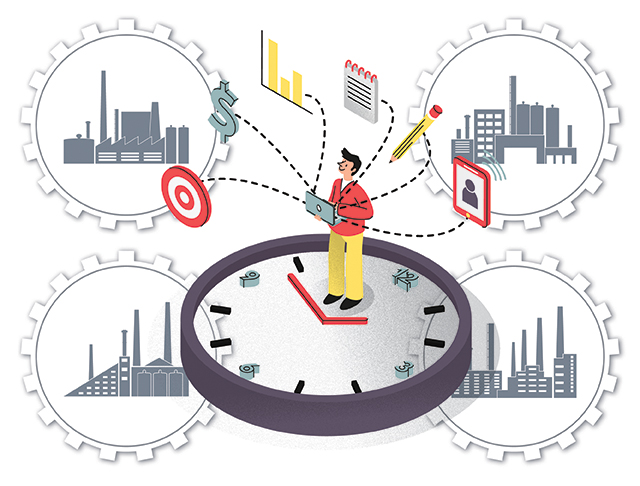
Manufacturing supplier selection is more than just a transaction; it’s a strategic partnership. Companies, especially startups, often lack their own manufacturing facility and instead rely on contract manufacturers. These suppliers offer specialized expertise, raw materials and facilities, allowing businesses to focus on their core business while leaving the manufacturing processes to experts or a third party upon the manufacturing company’s demand.
SCM Solution is proud to be the third-party company supporting you looking to outsource manufacturing, processes and manage multiple suppliers for the entire product as well as whole projects while minimizing costs and maximizing mass production line.
2. The Role of Startup Costs in Supplier Selection
Startup costs are an essential consideration when choosing a manufacturing supplier. These costs encompass various expenses, including research and development, tooling and equipment procurement, and material sourcing. Understanding startup costs is crucial because:
- Budget Allocation: It helps allocate resources effectively and prevents financial roadblocks that may hinder project progress.
- Supplier Evaluation: Different suppliers may have varying cost structures, and comprehending startup costs facilitates accurate cost reduction assessment.
- ROI Analysis: Startup costs are part of the production costs, and knowing them enables businesses to estimate the time required to start generating profits and achieve cash flow.

3. Leveraging Product Samples in Supplier Selection
Product samples serve as tangible representations of the final product. They are crucial because they enable businesses to:
- Ensure Quality: Samples help assess the supplier’s ability to meet quality and production standards and maintain product quality.
- Validate Design: Samples allow businesses to validate the design and specifications, reducing the risk of costly design changes later on.
- Functional Testing: Businesses can perform functional tests on samples to ensure products meet the intended consumer spending habits and fulfill their purpose.
- Alignment with Expectations: Samples ensure alignment between the supplier’s capabilities and the company’s expectations, avoiding misunderstandings during production.
4. Managing Product Changes During Manufacturing
Change is a constant in product development. Effective management of product changes involves key, business processes and strategies:
- Communication: Open and transparent communication between the company and the supplier is crucial to agree on and implement changes smoothly, reducing the risk of cost overruns.
- Impact Assessment: Assessing changes’ impact on production schedules, transportation cost, and project management ensures alignment with project goals.
- Quality Control: Implementing product changes should not compromise product quality. Quality control measures must be in place to maintain lower cost and uphold quality standards.
- Documentation: Thoroughly documenting product changes, updated specifications, and design files ensures everyone involved in the entire process works with the latest information.

What Are Benefits Of Outsourcing Manufacturing?
The advantages of outsourcing manufacturing are manifold and encompass various aspects crucial for start-up success:
1. Cost Savings:
Outsourcing allows start-ups to minimize costs significantly. These cost savings can be attributed to:
- Reduced Capital Expenditure: Start-ups can avoid massive upfront investments in manufacturing facilities, machinery, and equipment, preserving their capital for other essential aspects of their business.
- Lower Labor Costs: Outsourcing eliminates the need to hire, train, and manage an extensive in-house manufacturing team. Instead, the contract manufacturer takes on the labor costs, thereby lowering labor costs.
- Overhead Expense Reduction: Expenses associated with maintaining manufacturing facilities, such as utilities, maintenance, and property taxes, are the responsibility of the contract manufacturer, not the start-up. This leads to lowering costs related to facility management.

2. Scalability:
Start-ups often experience fluctuating demand for their products. Outsourcing provides the flexibility needed to adjust production volumes swiftly in response to market changes without the burden of expanding or downsizing their in-house facilities. This scalability is invaluable for maintaining competitiveness and profitability and ensuring production schedules are optimized.
3. Access to Expertise:
Collaborating with experienced contract manufacturing companies and manufacturers provides start-ups with several crucial advantages:
- Specialized Knowledge: Contract manufacturers often specialize in specific industries or manufacturing processes. This specialization equips them with in-depth knowledge and insights that are beneficial to the quality and efficiency of production, ensuring quality and production standards are met.
- Cutting-Edge Technology: Contract manufacturers frequently invest in the latest technologies and equipment, ensuring that products are manufactured with state-of-the-art techniques and tools, thereby enhancing technical capabilities.
- Best Practices: Contract manufacturers have honed their processes and established best practices over time, leading to improved efficiency, quality, and compliance with industry standards. This results in quality assurance throughout the entire process.

4. Faster Time-to-Market:
In today’s fast-paced business world, speed to market can be a make-or-break factor for start-ups. Outsourcing manufacturing can significantly accelerate the product development and launch process. Contract manufacturers have established production capabilities and can swiftly produce prototypes or finished products. This reduced time-to-market allows start-ups to seize market opportunities promptly and gain a competitive edge.
5. Risk Mitigation:
Manufacturing-related risks are not to be underestimated, and they can have significant consequences. Outsourcing to experienced contract manufacturers helps mitigate these risks effectively. These risks include:
- Equipment Maintenance: Contract manufacturers are responsible for maintaining and upgrading manufacturing equipment, reducing the risk of production delays due to equipment breakdowns and potential cost overruns.
- Regulatory Compliance: Compliance with industry regulations and quality standards can be complex. Contract manufacturers often have established processes and systems in place to ensure compliance, navigating the challenges associated with different industry tax rates.
- Quality Control: Ensuring product quality is paramount. Contract manufacturers have robust quality control measures in place to maintain consistently high product standards and meet manufacturing cost targets.
- Supply Chain Disruptions: Contract manufacturers have diversified supply chains and contingency plans to mitigate the risk of disruptions, ensuring a continuous flow of materials and components, crucial for cash flow management.
6. Reduced Capital Investment:
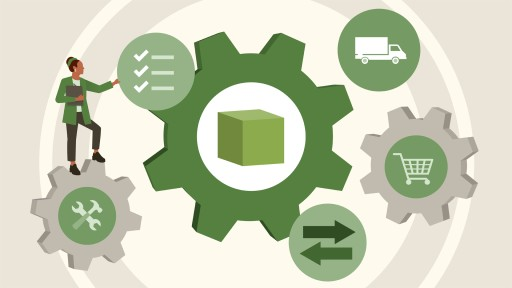
Building and maintaining a manufacturing facility demands a substantial upfront capital investment. Start-ups that choose to outsource manufacturing can significantly reduce this capital requirement, allowing them to save money and to allocate their funds more strategically. This is particularly beneficial for profitable growth as it frees up capital for other areas of the business.
Consider a renewable energy start-up, for example. By outsourcing manufacturing, they can allocate their capital towards research and development of innovative green technologies instead of investing heavily in manufacturing facilities and fixed costs.
Check out the previous article to learn more: Pros and Cons of Outsourcing to Asia
Additional reading: Why do some USA companies choose outsourcing manufacturing in Asia?
1. Cost Efficiency and Labor Savings
Lower labor costs in Asian countries, like China, Vietnam and India, have made them attractive outsourcing destinations. By outsourcing manufacturing, companies can significantly reduce production costs while maintaining high-quality standards. This cost reduction strategy enables businesses to allocate resources more effectively and enhance their cash flow.
Asia boasts a vast and skilled workforce with expertise in various manufacturing sectors. Companies can tap into this pool of talent to benefit from irreplaceable critical skills and experience.
2. Advanced Manufacturing Infrastructure
Many Asian countries have heavily invested in modern manufacturing infrastructure and technology. For example, electronic component manufacturing is concentrated in Taiwan and China. This allows businesses to access state-of-the-art facilities and equipment without the need for substantial upfront investments.
3. Efficient Supply Chain and Market Access
Asia’s well-established supply chain networks ensure efficient material sourcing and timely production. This streamlined process not only reduces costs but also facilitates project management and adherence to production schedules. Additionally, being closer to Asian and global markets provides companies with easier market access.
What are examples of outsourcing manufacturing?
1. Apple Inc. – iPhone Production (Electronics Manufacturing)
Apple, one of the world’s leading technology companies, outsources the manufacturing of its iconic iPhones to Foxconn, a prominent contract manufacturing organization based in Asia, primarily China.
By doing so, Apple capitalizes on lower labor costs in China, achieving significant cost reduction. Foxconn’s state-of-the-art manufacturing facility and skilled workforce ensure efficient production, aligning with Apple’s commitment to quality assurance.
This strategic partnership allows Apple to focus on its core business of innovation, design, and marketing, ultimately ensuring a competitive selling price and satisfying global consumer spending habits.
2. Nike Inc. – Athletic Footwear (Apparel Production):
Nike, a renowned sportswear and athletic footwear company, outsources the production of its shoes to manufacturing companies located in various Asian countries, including Vietnam and Indonesia.
This decision leverages the cost-efficient labor force in these regions, reducing production costs while maintaining the high-quality standards synonymous with the Nike brand.
The company can allocate resources to its key business strategies, such as brand promotion and product design, knowing that the intricate manufacturing process is handled effectively by its outsourcing partners. This streamlined supply chain in Asia ensures that Nike meets global demand efficiently and maintains a competitive selling price.
3. General Motors (GM) – Automotive Parts Production:
General Motors, a major American automotive manufacturer, outsources the production of specialized components, such as transmissions, to Asian contract manufacturers with a global scale operation.
For instance, GM collaborates with Aisin Seiki, a Japanese manufacturer with a presence in Asia. This strategic move minimizes cost overruns and streamlines project management, allowing GM to benefit from Aisin Seiki’s advanced manufacturing infrastructure and expertise in automotive components.
By outsourcing these critical parts, GM can concentrate on its core operations of vehicle assembly and dealership network management, implementing cost-saving techniques to reduce costs and achieving sustainable profitable growth.
4. Siemens Healthineers – Medical Device Manufacturing:
Siemens Healthineers, a global leader in medical technology, outsources manufacturing to several Asian countries to meet its production needs.
One specific example is its collaboration with manufacturing partners in Malaysia and Singapore for the production of medical diagnostic equipment. These Asian countries are known for their advanced manufacturing capabilities, skilled workforce, and strategic geographical location, which allows for efficient distribution to global markets.
These examples illustrate how outsourcing manufacturing to Asia can bring various benefits, including cost efficiency, quality assurance, access to expertise, and the ability to focus on core business activities. Companies across different industries leverage outsourcing to optimize their operations, cut costs, and achieve long-term success in a competitive market.
FAQ
Outsourced manufacturing is the strategic business practice of hiring an external, third-party factory to produce your physical hardware. Instead of investing massive capital into leasing warehouses, buying assembly machinery, and hiring floor workers, startups pay an established Contract Manufacturer (CM) to build their products.
Hardware startups need to outsource because they typically lack the massive upfront capital and operational expertise required to build their own factories. Outsourcing allows founders to bypass these heavy financial burdens, instantly accessing advanced production lines and scaling their product rapidly without severe infrastructural bottlenecks.
Outsourcing accelerates time-to-market because established contract manufacturers already possess the necessary supply chain networks, calibrated assembly lines, and experienced labor force. This ready-made infrastructure allows a startup to transition directly from prototyping to mass production months, or even years, faster than building a factory from scratch.
A hardware startup’s core competencies are typically product innovation, engineering design, software development, marketing, and direct sales. By outsourcing the highly complex, labor-intensive manufacturing process, startups can strictly focus their limited time and venture capital on these specific growth-driving activities.
A Contract Manufacturer (CM) is an independent factory hired to produce goods based exactly on a startup’s proprietary design and Bill of Materials (BOM). The CM handles the physical assembly, component sourcing, and factory-level quality control, acting as the startup’s external production arm.
Outsourcing provides infinite scalability. If a startup’s product suddenly goes viral, their contract manufacturer can rapidly add more assembly workers, run additional factory shifts, and leverage bulk purchasing power to instantly ramp up production from a few hundred units to tens of thousands.
Outsourcing provides infinite scalability. If a startup’s product suddenly goes viral, their contract manufacturer can rapidly add more assembly workers, run additional factory shifts, and leverage bulk purchasing power to instantly ramp up production from a few hundred units to tens of thousands.
DFM is critical because a brilliant prototype is useless if it is too expensive to mass-produce. DFM engineers optimize the startup’s design to reduce the total part count and simplify assembly, which drastically lowers manufacturing costs and prevents expensive production line defects.
A Minimum Order Quantity (MOQ) is the lowest number of units a factory is willing to produce in a single production run. MOQs are often a massive hurdle for startups, as factories require high volumes to justify the heavy costs of setting up their assembly lines.
The primary risks include severe communication breakdowns due to language barriers, unauthorized material substitutions by the factory, expensive shipping delays, and the high threat of Intellectual Property (IP) theft. Without strict local oversight, a startup’s product quality can degrade rapidly.
Startups protect their Intellectual Property (IP) by requiring overseas factories to sign locally enforceable Non-Disclosure, Non-Use, and Non-Circumvention (NNN) agreements. Additionally, startups should fragment their supply chain, ensuring no single factory possesses the complete blueprint or the core proprietary firmware.
Hidden costs include high international freight shipping fees, unpredictable customs duties, expensive factory re-tooling charges, and the massive Cost of Poor Quality (COPQ) incurred if the factory produces defective units that result in devastating consumer product recalls.
Startups manage quality control by establishing strict Standard Operating Procedures (SOPs), locking down their Bill of Materials (BOM), providing an approved physical Golden Sample, and hiring independent third-party inspectors to execute unannounced audits directly on the overseas factory floor.
Startups should begin vetting manufacturing partners during the Engineering Validation Test (EVT) or Design Validation Test (DVT) phases. Engaging a factory early allows their engineers to provide crucial DFM feedback, ensuring the final prototype is actually optimized for their specific assembly lines.
A specialized partner like SCM Solution acts as the startup’s operational team on the ground. They navigate complex factory negotiations, overcome high MOQs, enforce strict quality controls, and protect IP, allowing the startup to reap the financial benefits of outsourcing without the catastrophic operational risks.
Outsourcing supply chain management means hiring a specialized external firm to handle complex operational tasks. This includes vendor sourcing, price negotiation, factory auditing, and quality control. It allows brands to focus entirely on product innovation and sales rather than struggling with daily overseas manufacturing logistics.
An outsourced service significantly reduces operational overhead. It eliminates the need to hire expensive internal procurement teams. Furthermore, local supply chain experts leverage their established networks to aggressively negotiate lower raw material prices and consolidate shipping logistics, ultimately increasing your product’s overall profit margin.
Outsourced experts handle procurement by actively identifying highly capable, pre-vetted manufacturers in local markets. They manage the entire Request for Quotation (RFQ) process, rigorously audit factory capabilities, and establish strict, legally binding vendor contracts to secure the most cost-effective and reliable production terms.
No, a reputable SCM partner actually increases your control. By providing transparent, real-time factory data, independent quality inspection reports, and strict enforcement of your Standard Operating Procedures (SOPs) on the factory floor, an outsourced team gives you total visibility over overseas production without requiring your physical presence.
You must choose a partner with a strong, established physical presence in your target manufacturing region, such as Taiwan or China. They must possess deep engineering expertise in your specific hardware category, offer transparent fee structures, and demonstrate a flawless track record of protecting client Intellectual Property (IP).
Startups should outsource their supply chain immediately when transitioning from prototyping to mass production. Attempting to navigate complex overseas manufacturing, high Minimum Order Quantities (MOQs), and foreign quality control standards without local expertise typically results in massive capital burn and disastrous product launch delays.
SCM Solution: High-Quality Outsourcing Manufacturing Expert in Asia You Can Trust
In conclusion, outsourcing manufacturing offers a multitude of benefits for start-up businesses looking to thrive and succeed in today’s competitive business environment. From cost savings and scalability to access to expertise, faster time-to-market, risk mitigation, and reduced capital investment, the advantages of outsourcing are compelling. However, it’s essential for start-ups to carefully select and manage their manufacturing partners to ensure a successful outsourcing arrangement.
By strategically partnering with trusted outsourced manufacturing experts like SCM Solution, start-up businesses can confidently navigate the complexities of their outsource production processes, ensuring their businesses stay competitive and achieve profitable growth. With SCM Solution, you have a high-quality outsourcing manufacturing expert you can trust to fuel your start-up’s success, monitor production, and provide exact cost insights while you focus on your core operations and core competencies.
If you’ve thought about outsourcing manufacturing in Asia, contact us now to discuss how we can help your projects.
