

Foam for Any Application: A Comprehensive Guide for Engineers
Foam materials are a fundamental component in a myriad of engineering applications, offering unique properties and versatile solutions for electrical, medical, and various other industries. Whether you’re a seasoned engineer or just starting, understanding the different types of foam and their specific uses can significantly impact your project’s success. This guide aims to provide you with an in-depth overview of choosing the right foam for your needs.
1. Introduction
Foam is a versatile material that can be used in countless applications due to its unique properties, such as cushioning, insulation, and sound absorption. Engineers frequently encounter foam materials in various forms, including rigid foams, flexible foams, and semi-rigid foams. Selecting the right type of foam for your specific application requires a thorough understanding of its properties and potential uses.

2. Understanding Foam: Types and Properties
a. Polyurethane Foam
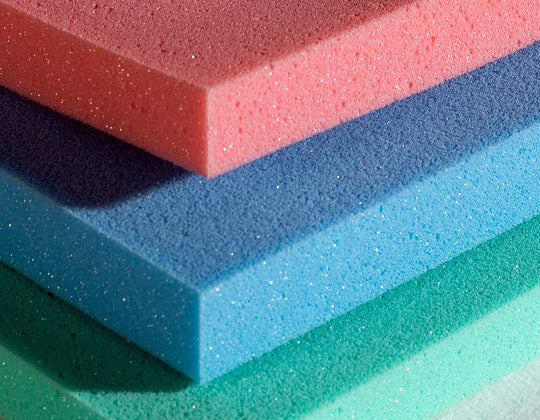
Polyurethane foam is one of the most commonly used foams due to its flexibility and durability. It is available in both rigid and flexible forms, making it suitable for a wide range of applications.
- Properties: Highly versatile, good cushioning, thermal insulation, and sound absorption.
- Applications: Furniture padding, packaging, automotive interiors, and insulation.
b. Polyethylene Foam
Polyethylene foam is known for its excellent impact resistance and buoyancy. It is commonly used in applications requiring shock absorption and water resistance.
- Properties: Lightweight, closed-cell structure, excellent impact resistance, and buoyancy.
- Applications: Packaging, flotation devices, and thermal insulation.

c. Silicone Foam
Silicone foam offers exceptional temperature resistance and is often used in applications requiring higher durability and stability under extreme conditions.
- Properties: High-temperature resistance, flexibility, and excellent chemical resistance.
- Applications: Gaskets, seals, thermal insulation, and medical devices.

d. Polystyrene Foam
Polystyrene foam is widely used for its insulating properties and ease of fabrication. It is primarily found in construction and packaging applications.
- Properties: Lightweight, good thermal insulation, and easy to mold.
- Applications: Insulation panels, packaging, and disposable containers.

3. Foam in Electrical Applications
In electrical engineering, foam materials play a crucial role in ensuring safety, efficiency, and performance. Here are a few common applications:
a. Electrical Insulation
Foam is used as an insulating material to protect electrical components from heat and electrical interference. Polyurethane and polyethylene foams are often chosen for their excellent dielectric properties and thermal resistance.
b. Cable Management
Foam materials are used to cushion and organize cables, preventing tangling and reducing the risk of damage. Polyethylene and silicone foams are ideal for this purpose due to their flexibility and durability.
c. Enclosures and Gaskets
Foam gaskets and enclosures provide a tight seal around electrical components, protecting them from dust, moisture, and other environmental factors. Silicone foam is particularly suitable for high-temperature applications.
4. Foam in Medical Applications
The medical field demands materials that are safe, reliable, and capable of meeting stringent regulatory standards. Foam plays a vital role in various medical applications:
a. Medical Devices
Foam is used in medical devices such as wound dressings, prosthetic limbs, and orthopedic supports. Medical-grade polyurethane and silicone foams are preferred for their biocompatibility and comfort.
b. Packaging and Transport
Medical equipment and supplies require secure packaging to prevent damage during transport. Polyethylene foam is widely used for its cushioning properties and shock absorption.
c. Patient Care
Foam mattresses, cushions, and positioning aids enhance patient comfort and prevent pressure ulcers. Memory foam, a type of polyurethane foam, is commonly used for its pressure-relieving properties.
5. Other Key Applications of Foam
a. Automotive Industry
Foam is extensively used in the automotive industry for seat cushioning, soundproofing, and thermal insulation. Polyurethane and polyethylene foams are prevalent due to their durability and energy absorption.
b. Construction
In the construction industry, foam serves as insulation, soundproofing, and sealing material. Polystyrene foam is frequently used for its excellent thermal insulation properties.
c. Packaging
Foam packaging provides superior protection for fragile items during shipping and handling. Polyethylene foam is favored for its shock-absorbing capabilities and versatility.
6. How to Choose the Right Foam
Selecting the appropriate foam for your application involves considering several factors:
a. Application Requirements
Identify the specific requirements of your application, such as thermal insulation, impact resistance, or chemical compatibility. This will help you narrow down the types of foam that meet your needs.
b. Foam Properties
Evaluate the properties of different foam materials, including density, flexibility, and thermal resistance. Consider how these properties align with your application’s requirements.
c. Regulatory Standards
Ensure that the foam material complies with relevant industry standards and regulations, especially in critical applications like medical devices and electrical components.
d. Cost and Availability
Consider the cost and availability of the foam material. Some specialized foams may be more expensive or harder to source, so weigh these factors against your project’s budget and timeline.
7. Conclusion
Foam materials offer a versatile solution for a wide range of engineering applications, from electrical insulation to medical devices. By understanding the properties and potential uses of different types of foam, you can make informed decisions that enhance the performance and reliability of your projects. Whether you are working on a cutting-edge medical device or a robust electrical system, choosing the right foam can make all the difference.
For further insights and to explore high-quality foam materials tailored to your needs, feel free to reach out to our team of experts. We’re here to help you find the perfect foam solution for any application.
Learn more about an example of a company in Taiwan: https://www.nanpao.com/products-show.aspx?id=1346
CONTACT US FOR A CONSULTATION FOR UNIQUE SUPPLY CHAIN PROBLEMS OR SOLUTIONS
