
Qualifying for the Defense Innovation Unit’s (DIU) Blue UAS list is critical for drone manufacturers looking to secure U.S. Department of Defense (DoD) contracts. However, utilizing components manufactured in China instantly disqualifies a drone from this lucrative list due to strict NDAA compliance regulations. To successfully qualify, companies must execute a comprehensive Bill of Materials (BOM) review and shift their supply chain to trusted, non-Chinese manufacturers, often located in Taiwan or Southeast Asia. Partnering with a specialized supply chain expert ensures rapid custom component development, strict cybersecurity assurance, and seamless defense market entry without compromising product performance or national security.
One of our recent clients, a U.S.-based drone technology company, was focused on developing high-performance drones for both commercial and defense applications. Their ultimate goal was to qualify for the Blue UAS list, enabling them to access opportunities with U.S. government buyers.
The client faced major hurdles in sourcing non-Chinese components that would meet strict National Defense Authorization Act (NDAA) compliance requirements. Like many drone companies, their early prototypes relied on components that originated in China, which immediately disqualified them from Blue UAS certification.
Let’s discover what the Blue UAS is, the issues that our client may face, and our solutions to support them.
1. What is the Blue UAS Drone list?
Companies in the drone business who have aspirations to work with the Department of Defense (DoD) are no stranger to the Blue UAS Drone list.
The Defense Innovation Unit (DIU)’s “Blue UAS list” acts as an official endorsement from the Department of Defense, signaling that these drones meet the highest standards for national security applications. In contrast with “Red” threats, the program was largely initiated due to concerns about data breaches and unwanted data transmission from drones manufactured in countries like China, Russia, Iran, and North Korea, which are often implicitly or explicitly referred to as “red” in a geopolitical context. The “Blue” list provides a clear alternative to these perceived “red” threats. Refer to the list here: https://www.diu.mil/blue-uas-cleared-list

2. Why would you want your component to be on the Blue UAS Drone list?
Securing a spot on the Blue UAS list offers significant strategic and commercial advantages:
- Streamlined Procurement: DoD buyers can acquire listed products faster and with fewer regulatory hurdles.
- Cybersecurity Assurance: Products undergo DIU-vetted cyber assessments to protect sensitive data.
- NDAA Compliance: All components meet the U.S. National Defense Authorization Act requirements.
- Increased Market Trust: Being on the list signals quality and security, helping your drone components stand out in a competitive market.
3. Can you sell your drone component to the DoD if you are not on the list?
It’s not an absolute “no”, but it would be an uphill battle. You would have to apply for Individual Unit Procurement with ETP (Exception to Policy):
- A DoD unit can still purchase a non-Blue UAS component if it fits a specific mission need.
- This typically requires an Exception to Policy (ETP) request. This is a time- and labor-intensive process, evaluated on a case-by-case basis. The unit requesting the ETP would likely need to demonstrate the component’s unique capabilities, the lack of a suitable Blue UAS alternative, and crucially, provide their own justification and verification of its security and NDAA compliance.
- ETPs are often temporary and tied to a specific user, use case, location, and drone combination. They don’t offer a comprehensive sales pathway.
4. Challenge: What does it take to find qualified drone components that can have a good chance to qualify for the Blue UAS drone list?
The biggest hurdle in sourcing Blue UAS-compliant drone components is finding alternatives to popular Chinese-made parts, especially from dominant players like DJI. Chinese manufacturers have invested heavily in innovation and cost optimization, making them hard to beat on price and performance.
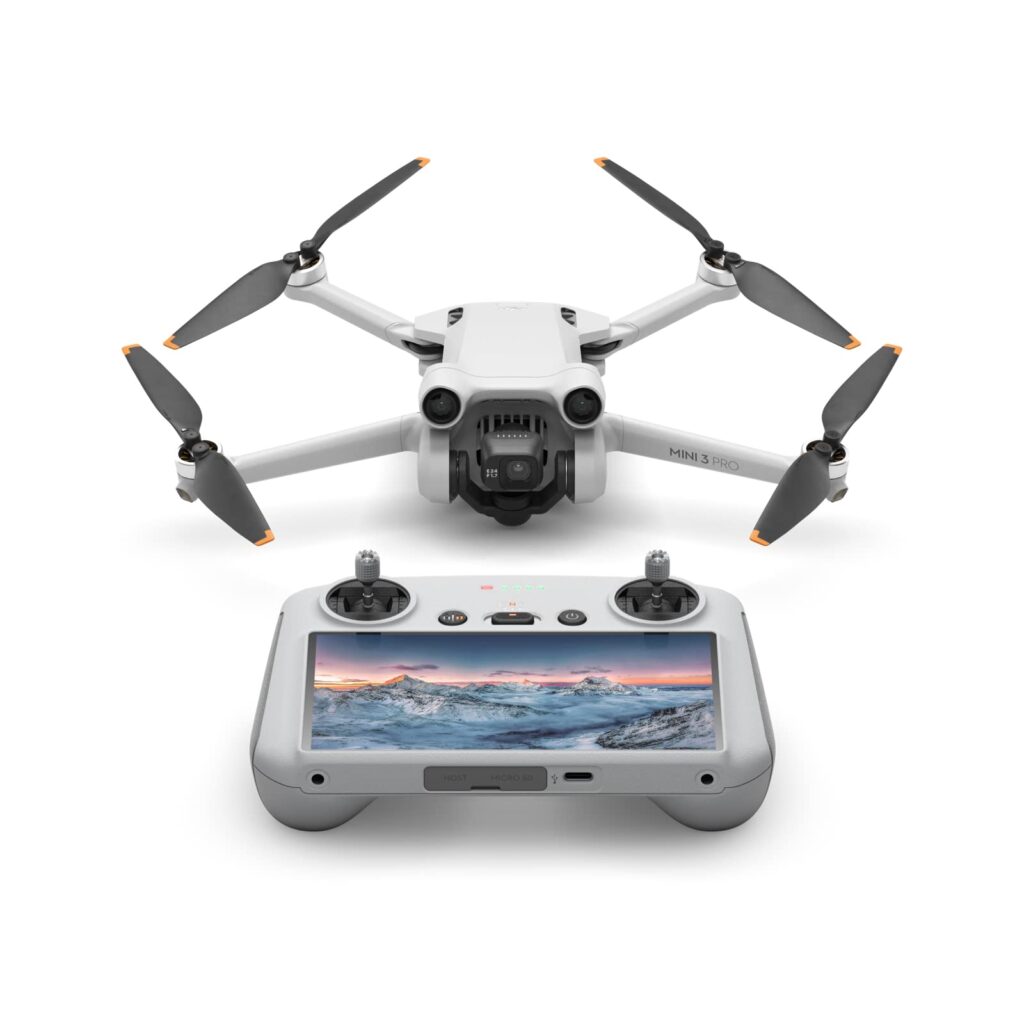
However, due to national security concerns, these components are not eligible for Blue UAS certification, forcing U.S.-focused companies to seek other options.
5. How does SCM Solution help our clients find drone components that will qualify for the Blue UAS drone list?
At SCM Solution, we specialize in helping companies build drones and drone systems that meet U.S. defense standards without relying on restricted supply chains.
Here’s how we do it:
- Trusted Supplier Network: We maintain strong relationships with drone component manufacturers in Taiwan and Southeast Asia, enabling us to source high-quality alternatives that are not made in China.
- Full Bill of Materials (BOM) Review: We check every part’s country of origin to ensure NDAA compliance.
- Custom Component Development: If we don’t have a perfect fit, we help you customize an existing product or develop a new one with vetted partners.
- Rapid Development Cycles: Our experience in hardware product development means we move quickly without sacrificing quality or security.
Even though our expertise covers component sourcing, customization, and compliance, success also depends on the client’s readiness to prepare technical documentation and work closely with DIU for approval.
Read other related article: Non-Chinese Drones on the Rise: Opportunities for Taiwan
FAQ
The Blue UAS list is an official roster created by the Defense Innovation Unit (DIU). It explicitly endorses specific drones and components that meet the highest cybersecurity and National Defense Authorization Act (NDAA) standards, clearing them for official use by the U.S. Department of Defense.
Blue UAS certification is highly important because it streamlines government procurement. It provides immediate cybersecurity assurance, guarantees strict NDAA compliance, and significantly increases market trust, allowing drone manufacturers to seamlessly sell their hardware directly to U.S. defense and federal agencies.
Selling to the DoD without Blue UAS approval is extremely difficult. It requires an Exception to Policy (ETP) request. The purchasing unit must demonstrate a unique mission need, lack of a suitable Blue alternative, and manually verify the component’s security, making the process highly time-and-labor intensive.
NDAA (National Defense Authorization Act) compliance strictly prohibits U.S. government agencies from purchasing telecommunications and video surveillance equipment manufactured by specific Chinese companies. For drones, this means absolutely no core components, flight controllers, or cameras can be sourced from restricted Chinese supply chains.
Chinese drone components pose a severe supply chain risk for defense contractors because their use immediately violates NDAA regulations. Relying on dominant Chinese manufacturers completely disqualifies your drone from the Blue UAS list and permanently blocks you from lucrative U.S. military contracts.
The biggest hurdle is finding highly capable, cost-effective alternatives to mass-produced Chinese parts. Chinese manufacturers have invested heavily in cost optimization and rapid innovation. Replicating that specific technical performance using alternative, NDAA-compliant suppliers requires deep engineering expertise and extensive global sourcing networks.
The Bill of Materials (BOM) directly dictates certification eligibility. Every single electronic component, microchip, and camera lens listed on the BOM must have its Country of Origin rigorously verified. A single restricted Chinese component hidden deep within the BOM will trigger an immediate Blue UAS disqualification.
The best non-Chinese drone manufacturers are heavily concentrated in Taiwan and Southeast Asia. Taiwan, in particular, possesses highly advanced semiconductor infrastructure, precision electronics manufacturing, and a deeply trusted geopolitical standing, making it the premier hub for sourcing NDAA-compliant drone hardware.
To replace a restricted component, engineers must execute a strict supply chain pivot. If an exact off-the-shelf, non-Chinese alternative does not exist, hardware teams must collaborate with vetted Taiwanese or Southeast Asian manufacturers to custom-develop a brand new component that precisely matches the original specifications.
A trusted supplier network consists of highly vetted, thoroughly audited manufacturing partners located in allied nations. For Blue UAS compliance, this network guarantees that all drone components are ethically sourced, free of geopolitical cybersecurity threats, and built to withstand rigorous military-grade operational standards.
Rapid prototyping is crucial because replacing restricted components often requires designing custom circuit boards or mechanical housings from scratch. Utilizing advanced rapid development cycles ensures these new, NDAA-compliant parts are swiftly tested, integrated, and validated without severely delaying the drone’s official market launch.
A specialized Supply Chain Management (SCM) partner physically navigates foreign markets. They leverage established relationships in Taiwan to source secure raw materials, oversee custom component development, and aggressively enforce quality control, ensuring your final drone hardware perfectly aligns with strict DIU regulations.
While a supply chain manager perfectly optimizes the physical hardware and ensures BOM compliance, they do not grant final DIU approval. The drone manufacturer must still independently prepare extensive technical documentation, execute software cybersecurity tests, and work directly with the government to secure official certification.
If a drone fails certification due to supply chain violations, the manufacturer must completely redesign the affected hardware. This causes catastrophic financial losses, wasted custom tooling investments, and massive launch delays while engineers desperately scramble to source new, compliant components from approved regions.
A drone company must start planning for NDAA compliance at the absolute beginning of the conceptual design phase. Integrating compliant components early prevents the devastating financial burden of having to completely re-engineer and re-source the entire drone right before a critical military sales pitch.
The hardest components to source outside of China include high-definition camera gimbals, specialized flight controllers, and highly efficient brushless motors. China heavily dominates these specific micro-electronics markets, forcing Western defense manufacturers to invest heavily in custom engineering to develop viable, NDAA-compliant alternatives.
Data security is critical because drones capture highly sensitive reconnaissance imagery and flight telemetry. If a drone uses restricted foreign-made communication chips or unverified firmware, hostile nations can secretly intercept the data link, completely compromising national security and exposing active military operations.
Standard commercial drones, such as those made by DJI, are strictly prohibited for U.S. government contracts due to severe cybersecurity concerns. Defense and federal agencies are legally required to purchase NDAA-compliant drones that have successfully passed the rigorous Defense Innovation Unit (DIU) Blue UAS vetting process.
“Country of Origin” rules dictate that a component must be substantially transformed in an approved nation. You cannot simply import a restricted Chinese flight controller, repackage it in the U.S. or Taiwan, and claim it is compliant. Deep, rigorous supply chain tracing is absolutely mandatory.
White-labeling is a highly deceptive practice where a restricted Chinese manufacturer sells their component through a proxy company in an approved country. If a defense contractor accidentally uses a white-labeled part, they will immediately fail Blue UAS certification and face severe federal contract penalties.
Taiwan supports NDAA-compliant drone manufacturing through its world-class semiconductor industry, precision CNC machining, and highly secure Printed Circuit Board Assembly (PCBA) capabilities. It provides a deeply trusted, geopolitically secure alternative for Western hardware startups needing rapid, military-grade component development without Chinese interference.
Ready to Build a Blue UAS-Eligible Drone?
If your goal is to sell to the U.S. Department of Defense, start your drone project with Blue UAS eligibility in mind. We have been sourcing and manufacturing non-Chinese drone support successfully for various clients. Working with partners like SCM Solution early in the development phase can save you time, reduce rework, and boost your chances of success.
Contact SCM Solution today to explore how we can support your drone development and supply chain strategy for Blue UAS qualification.
Additional Resources
- Case Studies: How SCM Solution Helped Businesses Succeed
- Quality Inspection Service: What You Need To Know
- Choosing the Right SCM Services for Your Business
Follow our LinkedIn page to get further activities
Subscribe to Yvette’s LinkedIn newsletter to read more other case studies in supply chain
