

Landed cost is the total, final price of a product once it has safely arrived at the buyer’s destination. It encompasses far more than just the factory purchasing price. A true landed cost calculation includes ocean or air freight charges, mandatory customs duties, international taxes, shipping insurance, currency conversion fees, and port handling charges. Calculating accurate landed costs is absolutely critical for hardware businesses and procurement managers. Failing to track these hidden supply chain expenses results in drastically miscalculated profit margins, underpriced retail goods, and severe financial losses when importing products from overseas manufacturers.
When managing procurement, especially in international supply chains, it’s essential to accurately calculate landed costs to determine the true expense of getting products from a supplier to their final destination. Landed costs encompass all the expenses involved in shipping goods, including the hidden ones, and give you a complete picture of the cost of acquiring a product.
Why Should We Consider Landed Costs in Procurement?
Landed costs are critical in supply chain management because they allow businesses to:
- Determine Profit Margins: Knowing the total cost helps you price your product accurately, ensuring you maintain healthy profit margins.
- Evaluate Supplier Offers: A lower upfront product cost might not translate into cost savings once shipping, customs, and other fees are included.
- Manage Budgets More Effectively: Hidden fees such as handling charges and insurance can impact your overall budget, so calculating landed costs helps avoid surprises.
- Improve Decision-Making: A clear understanding of all costs allows procurement managers to make better decisions on supplier selection, shipping methods, and order quantities.
Imagine you’re importing 1,000 units of electronic components from China to the U.S. The base product cost per unit is $10, but once you factor in the additional costs—such as $1,500 for shipping, 5% customs duty, $500 in insurance, $300 for storage, and $400 in inland transportation—the actual landed cost per unit might come closer to $12.50, significantly affecting your profitability.
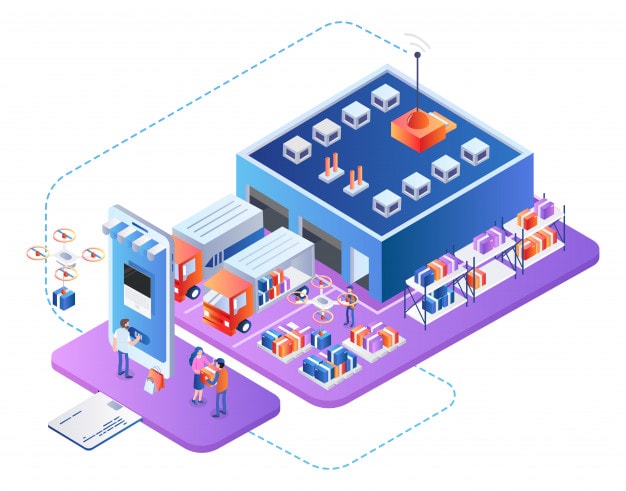
Let’s break down the 10 key factors that contribute to the landed costs
1. Product Cost
This is the base price of the product as quoted by the supplier. It can be negotiated and varies depending on factors like quantity ordered, material costs, and supplier margins. For example, when sourcing electronics from Asia, the product price might be lower than local suppliers but must be weighed against other factors like shipping and duties.
2. Shipping Cost
This includes freight charges for transporting goods from the supplier’s location to the destination. Shipping costs can vary greatly depending on the shipping method (air, sea, or land), the size and weight of the shipment, and the shipping route. A shipment from China to the U.S. via air might cost significantly more than ocean freight, but it could also reduce lead time.
3. Customs Duties and Taxes
When importing products internationally, customs duties, tariffs, and taxes apply. These vary by country, product type, and trade agreements. For example, the U.S. might charge higher duties on certain textiles than on electronics. Ignoring customs fees can significantly impact the profitability of your product.
4. Currency Exchange Rate
Fluctuating exchange rates can impact the final cost of procuring products from international suppliers. Even small changes in currency exchange rates can result in higher or lower product costs when paying in a foreign currency. For example, a sudden devaluation of the U.S. dollar could increase the cost of goods purchased in euros or yen.
5. Handling Fee
Handling fees are charged for loading, unloading, and managing cargo during transportation. These fees can vary depending on the logistics provider and port used. For instance, handling fees at a busy port like Shanghai may be higher than those at a smaller, regional port.
6. Insurance Costs
Shipping insurance protects against loss or damage during transit and is a crucial part of the landed cost. The cost of insurance is usually a percentage of the shipment’s total value. For example, insuring high-value items like electronic components may require a higher premium compared to lower-value goods.
7. Storage Costs
If goods need to be stored in a warehouse or distribution center before being shipped to their final destination, those storage fees must be included. The length of storage time, type of facility, and storage conditions (e.g., climate control for sensitive goods) can all influence the cost.
8. Quality Control Inspections
Conducting quality inspections before shipping or upon receiving goods ensures that products meet your standards and reduces the risk of defective items. Inspection services, either done in-house or outsourced, add to the total landed cost. For example, hiring a third-party inspector in China might be necessary when importing goods to ensure product compliance with safety regulations.
9. Transportation Costs
After arriving at the port or airport, goods still need to be transported to their final destination. Local trucking or rail transportation costs can vary significantly depending on distance, fuel costs, and regional transportation infrastructure. A shipment arriving in Los Angeles but destined for New York will incur higher inland transport costs than one with a final destination in California.
10. Incoterms
Incoterms define the responsibilities of buyers and sellers in international transactions, specifically regarding shipping, risk, and costs. Different Incoterms, like FOB (Free On Board) or CIF (Cost, Insurance, and Freight), dictate who pays for what. For example, under FOB terms, the buyer assumes responsibility for shipping costs after the goods have been loaded onto the ship, while under CIF terms, the seller is responsible for the cost and insurance up to the destination port.
FAQ
Landed cost is the total, absolute final cost of a product once it reaches the buyer’s warehouse. It includes the original factory price plus all associated shipping logistics, international customs duties, insurance, and handling fees required to physically transport the goods.
Calculating landed cost is crucial for accurately determining your true profit margins. If a business only calculates the factory purchasing price, they will underprice their final retail products, instantly losing money on hidden freight, tariff, and insurance expenses.
The basic landed cost formula is: Product Cost + Shipping/Freight + Customs/Duties + Risk/Insurance + Overhead = Total Landed Cost. Using this exact mathematical calculation guarantees buyers have complete financial visibility into their international procurement operations.
FOB (Free On Board) price only covers the cost of manufacturing the goods and loading them onto a shipping vessel at the origin port. Landed cost includes the FOB price plus all subsequent international freight, import taxes, and final delivery fees.
Customs and duties are mandatory government taxes imposed on imported goods. Depending on the product’s Harmonized System (HS) code and the country of origin, these tariffs can add massive, unexpected percentage increases to your final landed cost.
Shipping and freight charges often represent the largest variable expense in landed costs. This includes the primary ocean or air freight, port handling surcharges, and inland trucking fees required to transport the shipping container directly to your warehouse facility.
International shipping carries massive risks, including cargo theft, container fires, or goods falling overboard. Cargo insurance premiums must be factored into the landed cost to protect your supply chain capital from catastrophic, unpredictable logistics failures.
Fluctuating currency exchange rates can silently destroy profit margins. If a buyer agrees to pay a supplier in local currency, unexpected market shifts between the order date and payment date can significantly inflate the final landed cost.
Ignoring hidden procurement costs guarantees negative profit margins. Businesses that fail to calculate port storage fees, currency conversions, or sudden tariff hikes will accidentally sell their imported products at a severe financial loss, risking total company bankruptcy.
Demurrage and detention are massive penalty fees charged when a shipping container is delayed at the port or not returned on time. These hidden logistics bottlenecks rapidly inflate the final landed cost and destroy hardware procurement budgets.
Using the wrong Harmonized System (HS) code during customs clearance causes catastrophic financial damage. It triggers severe government fines, massive container hold delays, and unexpected, legally binding back-taxes that completely ruin your carefully calculated landed costs.
Custom tooling, factory molds, and assembly setup fees are upfront investments required to manufacture your product. Amortizing these initial engineering costs across your total production run is essential to calculate an accurate, per-unit landed cost.
Businesses can aggressively reduce landed costs by renegotiating incoterms, consolidating multiple smaller shipments into Full Container Loads (FCL), optimizing packaging sizes to fit more units on a pallet, and using dual-sourcing strategies to avoid heavy regional tariffs.
Incoterms dictate exactly when the financial risk and shipping responsibilities transfer from the supplier to the buyer. Choosing the right Incoterm, such as EXW versus DDP, drastically changes which specific logistics and insurance fees must be added to your landed cost.
A specialized supply chain partner aggressively optimizes landed costs by negotiating hidden factory fees, ensuring correct HS code classification to minimize import tariffs, and leveraging massive shipping networks to secure the absolute lowest international freight rates for your business.
Conclusion
With the top 10 factors, understanding and calculating the landed cost is essential for successful procurement. By factoring in the hidden and visible costs, businesses can make more informed decisions about suppliers, shipping methods, and pricing strategies, ultimately improving efficiency and profitability in the supply chain.
Read other related articles:
CONTACT US FOR A CONSULTATION FOR UNIQUE SUPPLY CHAIN PROBLEMS OR SOLUTIONS
