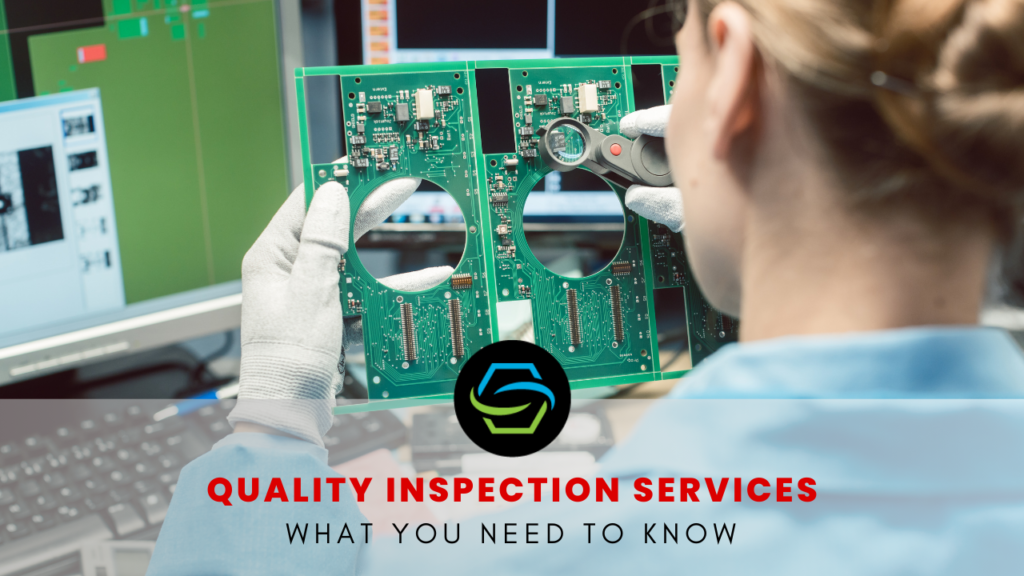
A quality inspection service is an independent, third-party evaluation of manufactured goods to ensure they meet exact structural, functional, and aesthetic specifications before shipment. This rigorous process involves physical examinations on the factory floor at various production stages, including Initial Production Checks, During Production Inspections, and Pre-Shipment Inspections. By utilizing standardized sampling methods like the Acceptable Quality Limit (AQL), inspectors identify manufacturing defects, verify regulatory compliance, and prevent costly product recalls. Implementing a professional quality inspection service is essential for hardware brands to mitigate supply chain risks, protect brand reputation, and guarantee international consumer safety.
Let’s delve into the intricacies of quality inspection services and why they are indispensable in the manufacturing process and supply chain management.
The Role of Quality Inspection Services
Quality inspection services encompass a range of activities designed to evaluate and improve product quality. These services are integral at different stages of the production process, from the initial supplier selection to the final delivery of the product. By conducting thorough inspections, companies can ensure supplier compliance, adherence to quality documentation, and consistent supplier performance.
Inspection services utilize a variety of techniques, from first-article inspections to detailed evaluations of workmanship, to identify defects and areas for improvement. This proactive approach helps in minimizing customer complaints and enhancing product safety and reliability.

How Many Types of Quality Inspection Services?
Companies offer many types of quality inspection services. We provide basic definition services and will update more if we have:
1. Pre-Production Inspection (PPI)
A pre-production inspection is conducted before production begins and occurs when raw materials or components are received from suppliers. It ensures that the materials meet the specified quality requirements before they are used in the production process.
It is beneficial to conduct a PPI when working with a new supplier, especially if you have a large contract that has a tight delivery schedule. Using this inspection can reduce or eliminate communication between you and your supplier about production timelines, shipping dates, and quality expectations.
2. During Production Inspection (DPI)
These inspections take place during the manufacturing process. They monitor and inspect the quality of the product or service at different stages in the process, to identify any deviations from the desired standards. In-process inspections allow for timely adjustments or corrections to maintain quality.
3. Final Random Inspection (FRI):
Conducted when the production is at least 80% complete, this inspection is crucial for preventing defective products from reaching the customer by checking a random sample of the batch.
4. Pre Shipment Inspection (PSI)
This occurs when the product is fully completed and before they are shipped. It ensures that the final product itself is in good condition, functions properly, and meets all the necessary quality criteria before it leaves the manufacturing facility.
5. Container loading & Unloading Inspections
Container loading and unloading inspections are crucial for ensuring the proper handling of your products throughout the shipping process. Inspectors oversee the entire procedure to ensure that your goods are managed professionally and arrive safely at their destination.
6. Factory Audit (FA):
Beyond inspecting products, this service evaluates the overall production capabilities and quality control systems of a factory or supplier.
7. Social Compliance Audit (SCA):
Focused on ethical considerations, this inspection reports a factory’s adherence to labor laws, working conditions, and environmental standards.
Benefits of Quality Inspections
1. Ensuring Compliance and Improving Supplier Performance
Supplier compliance is a critical component of the supply chain. Through regular quality inspections, companies can ensure that their suppliers adhere to industry standards, specifications, and safety regulations. This not only helps in improving the overall quality of the products but also in maintaining a company’s reputation and brand integrity.
Moreover, by evaluating supplier performance through inspections, companies can identify areas for improvement and work collaboratively with suppliers to enhance their production processes. This collaborative approach leads to a stronger, more reliable supply chain, capable of meeting the demand with high-quality products.
2. The Importance of Quality Documentation and Certifications
Quality documentation and certifications are tangible proofs of a company’s commitment to quality. Through detailed reports and certifications, companies can demonstrate their adherence to industry standards and compliance with regulatory requirements. These documents are crucial for building trust with customers, retailers, and other stakeholders in the supply chain.
3. Addressing Customer Complaints and Enhancing Product Safety
One of the key benefits of quality inspection services is their role in addressing customer complaints and improving product safety. By identifying potential hazards and defects before products reach the market, companies can significantly reduce the risk of customer complaints and recalls. This proactive approach not only protects the end-users but also safeguards the company’s reputation and reduces the risk of legal liabilities.
4. The Global Reach of Quality Inspection Services
Quality inspection services are a global necessity, with industries from construction to retail demanding high standards of quality and safety. Whether it’s evaluating the components in a factory or conducting safety inspections on a construction site, quality inspection services offer the expertise and assistance needed to ensure products meet the required standards.
FAQ
A third-party quality inspection service is an independent assessment conducted by unbiased professionals on the factory floor. They physically verify that a manufacturer’s raw materials, production processes, and finished goods strictly comply with the buyer’s engineering specifications and international safety standards.
Quality inspection is crucial because it actively prevents defective products from leaving the factory. It eliminates expensive reverse logistics, avoids devastating retail chargebacks, protects consumer safety, and ensures that the brand’s market reputation is not destroyed by substandard manufacturing.
The Acceptable Quality Limit (AQL) is a statistical sampling method used during inspections. It determines the maximum acceptable number of defective units allowed in a randomized sample batch before the entire production run is formally rejected by the buyer.
Quality Assurance (QA) is a proactive, process-driven strategy designed to prevent defects before manufacturing begins, focusing on system audits and training. Quality Control (QC) is a reactive, product-driven process involving physically inspecting finished goods to isolate existing defects.
An Initial Production Check (IPC) occurs right before or exactly when mass production begins. Inspectors verify that the factory is using the correct raw materials, proper machinery setups, and the approved Golden Sample, preventing critical errors early in the manufacturing cycle.
A During Production (DUPRO) inspection takes place when 20% to 50% of the goods are completed. It identifies assembly line deviations and manufacturing bottlenecks early enough to allow the factory to execute corrective actions without severely delaying the final shipment.
A Pre-Shipment Inspection (PSI) is the most critical quality check, conducted when 100% of the goods are manufactured and at least 80% are fully packed. Inspectors randomly sample boxes to verify final functionality, aesthetic finish, packaging durability, and barcode scannability.
A Container Loading Check (CLC) occurs at the factory or port during final dispatch. An inspector physically supervises the loading process to ensure the correct quantities are loaded securely, the shipping container is weather-sealed, and goods won’t be damaged during transit.
Manufacturing defects are globally classified into three distinct categories: Minor defects (cosmetic flaws that don’t affect function), Major defects (issues that reduce product usability or lifespan), and Critical defects (severe hazards that can injure the consumer or violate compliance laws).
A Critical Defect is a severe manufacturing failure that poses an immediate safety hazard to the end consumer, such as exposed electrical wiring or toxic lead paint. Finding even a single critical defect during an inspection usually results in an instant batch rejection.
If a factory fails a quality inspection, the entire shipment is halted. The manufacturer must isolate the defective units, perform a root-cause analysis, and execute full rework or remanufacturing at their own expense before a secondary re-inspection is scheduled and passed.
A Golden Sample is the perfectly approved pre-production prototype. Third-party inspectors use it as the absolute physical benchmark on the factory floor, placing mass-produced units directly next to it to verify exact color matching, structural integrity, and functional performance.
Quality fade is the gradual, unauthorized use of cheaper materials by a factory to increase their profit margins. Regular, unannounced third-party inspections actively prevent this by constantly comparing random production units against the originally locked Bill of Materials (BOM).
Yes, specialized inspection services can verify material authenticity. Before assembly begins, inspectors can draw material samples and send them to accredited metallurgical or chemical laboratories to ensure the factory isn’t secretly substituting high-grade steel or plastics with cheaper, inferior alternatives.
Relying solely on a factory’s internal QC is highly dangerous due to an inherent conflict of interest. Factory managers are heavily incentivized to meet shipping quotas and may intentionally overlook “borderline” defects to avoid expensive rework, whereas third-party inspectors strictly protect the buyer’s interests.
A standard third-party quality inspection typically costs between $200 to $400 per “man-day,” depending on the factory’s location and product complexity. This minor upfront investment saves companies thousands of dollars by preventing defective inventory and international shipping fiascos.
A comprehensive quality inspection report is typically delivered within 24 hours of the physical inspection. These detailed reports include high-resolution photos of defects, structural test results, packaging checks, and a definitive “Pass, Fail, or Pending” grade to inform immediate shipping decisions.
No, a standard quality inspection uses statistical sampling, like the AQL standard, to check a randomized portion of the batch. However, for extremely high-value items or highly defective batches, buyers can request a 100% piece-by-piece inspection service to guarantee every single unit is defect-free.
Reputable third-party companies prevent bribery by rotating inspector assignments, utilizing GPS tracking, and enforcing strict zero-tolerance anti-corruption policies. They also conduct unannounced auditor visits to the factory floor to ensure field inspectors strictly maintain absolute neutrality and uncompromising integrity during the evaluation.
Inspecting electronics requires highly specialized engineering expertise. Beyond visual checks, inspectors must verify PCBA soldering joints using X-ray machines, conduct high-voltage “hipot” safety tests, and run comprehensive firmware diagnostic protocols to ensure the electronic components function flawlessly under extreme thermal stress.
A shipping release authorization is an official document issued by the buyer only after thoroughly reviewing a passed Pre-Shipment Inspection (PSI) report. It legally instructs the factory and the freight forwarder that the goods are officially approved to be loaded onto the shipping vessel.
Field inspectors can visually verify that CE or RoHS compliance labels are correctly printed on the product and packaging. However, true chemical and electromagnetic compliance requires drawing physical samples and sending them to an accredited laboratory for specialized testing, which the inspection agency coordinates.
Achieve Manufacturing Goals with SCM Solution
In conclusion, quality inspection services are vital for maintaining high standards of product quality and safety across industries. By ensuring supplier compliance, improving production processes, and addressing potential defects before they reach the customer, these services play a crucial role in the global supply chain. With the assistance of expert auditors, engineers, and inspectors, companies can continue to meet the evolving demands of the market while maintaining their reputation for quality and reliability.
SCM Solution excels in providing comprehensive audit and inspection services in Asia. Our team of experts assesses suppliers against a backdrop of defined quality standards and regulatory requirements, ensuring that your manufacturing process and supply chain maintains the highest level of integrity and efficiency.
