
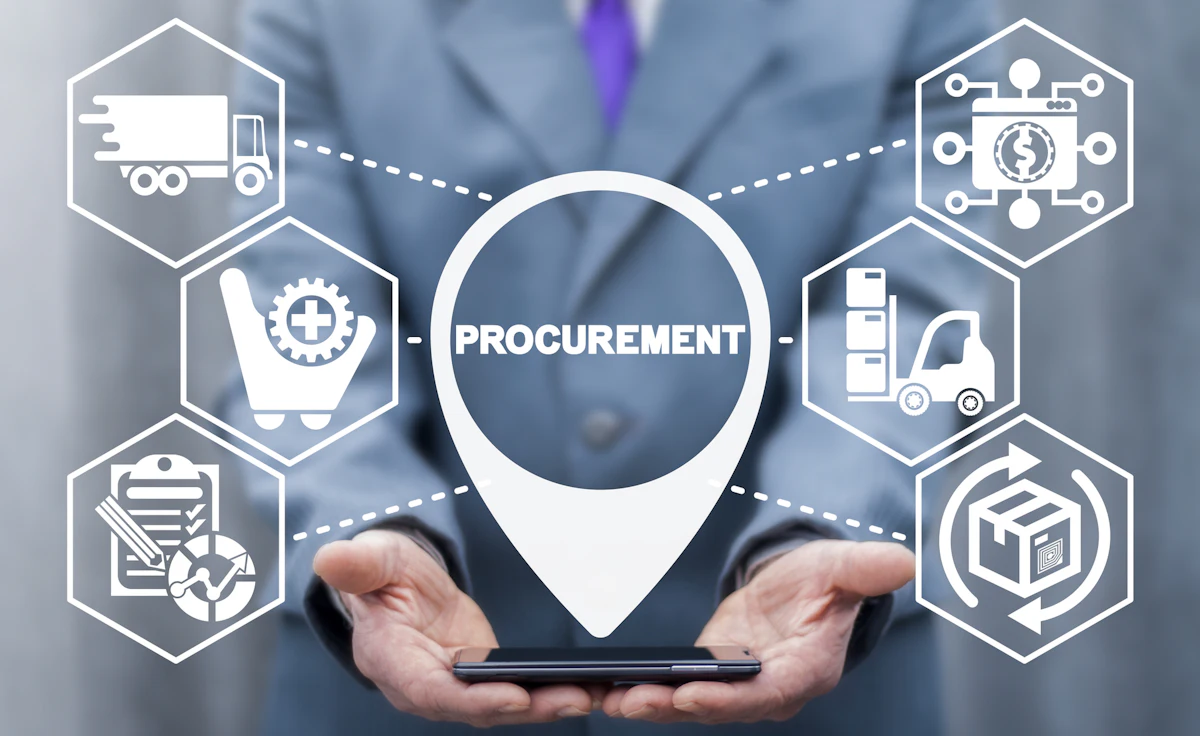
Procurement is the overarching strategic process of sourcing, negotiating, and acquiring the goods, services, and raw materials required for a company to operate profitably. Unlike simple purchasing, which is purely transactional, procurement is a comprehensive lifecycle. It begins with identifying internal business needs and conducting market research, followed by rigorous supplier evaluation, contract negotiation, and risk assessment. The process concludes with purchase order creation, invoice reconciliation, and ongoing vendor relationship management. An optimized procurement strategy is essential for reducing operational costs, ensuring supply chain resilience, and maintaining high-quality production standards in a competitive global market.
What is Procurement?
Procurement is the strategic, end-to-end process of sourcing, evaluating, and acquiring goods or services from external vendors. It focuses on building long-term supplier relationships, negotiating favorable contract terms, and ensuring that all acquisitions align with the company’s operational goals and budget constraints.
The key goals of procurement include:
- Cost savings
- Ensuring supply continuity
- Building strong supplier relationships
- Supporting the company’s strategic objectives
- Compliance with regulations and policies
- Enhancing efficiency through streamlined processes
Types Of Procurement
Procurement can be categorized in several ways:
1. Direct Procurement
This involves acquiring raw materials and goods directly related to the company’s production processes. For example, a manufacturing company needs raw materials to produce finished goods. Direct procurement is essential for maintaining the production flow and meeting business objectives.
2. Indirect Procurement
This involves purchasing goods and services that are not directly tied to the production process but are necessary for the company’s operations. Examples include office supplies, software subscriptions, and consulting services. Indirect procurement helps maintain the operational business aspects of a company.
3. Services Procurement
This refers to acquiring services needed for various business functions, such as technology services, consulting services, and maintenance services. Efficient services procurement ensures that companies have access to the expertise and support required to achieve their goals.
4. Goods Procurement
It refers to the process of acquiring tangible items that a company needs to operate its business. These goods can be either direct or indirect, but they are distinct from services procurement as they involve physical products rather than intangible services. Goods procurement includes everything from raw materials used in manufacturing to finished products sold to customers.

Procurement Process
Overview Of The Procurement Process
The procurement process is a structured method of procuring goods and services needed for an organization. It saves cost, reduces time, and builds win-win supplier relationships.
Steps Involved In The Procurement Process
- Identifying Needs: Recognizing the goods or services required to support business operations.
- Purchase Requisition: Internal departments submit a purchase request outlining their needs, specifications, and budget.
- Supplier Research: The procurement team conducts market research to identify potential suppliers and gather information on their capabilities.
- Competitive Bidding Process: Soliciting bids from multiple suppliers to ensure competitive pricing and terms.
- Supplier Evaluation: Assessing suppliers based on criteria such as cost, quality, delivery time, and supplier performance.
- Negotiation Process: Negotiating terms and conditions with the chosen supplier to secure favorable agreements.
- Purchase Order: Issuing a legally binding contract or purchase order to the selected supplier.
- Delivery and Inspection: Receiving and inspecting the goods or services to ensure they meet the required standards.
- Accounts Payable: Processing supplier invoices and making payments according to the agreed terms.
- Supplier Management: Ongoing management of supplier relationships to ensure continuous improvement and compliance with contractual obligations.
- Procurement Data Analysis: Reviewing procurement data to assess performance, identify areas for improvement, and inform future procurement strategy.

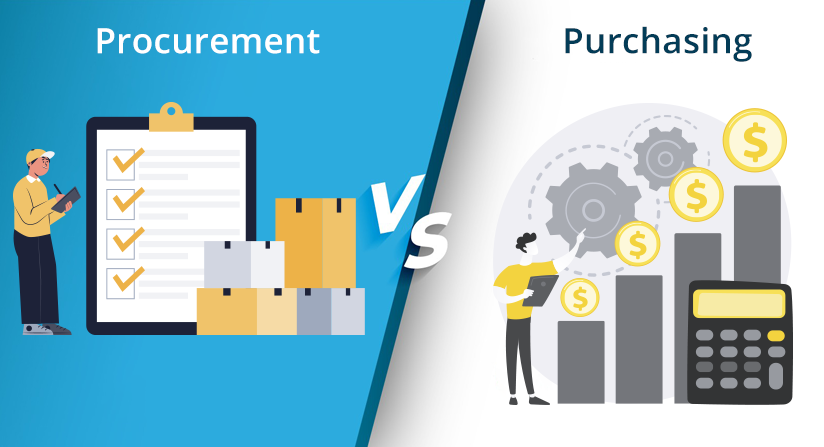
The Difference Between Procurement And Purchasing
- Procurement: A broader, strategic process encompassing the entire procurement lifecycle, from identifying needs and selecting suppliers to contract management and supplier evaluation. Procurement involves strategic sourcing, supplier relationships, and the overall procurement process to align with business objectives, emphasizing value over price.
- Purchasing: A subset of procurement focused on the transactional aspects of buying goods and services. It involves issuing purchase orders, managing purchase requests, and handling accounts payable with greater importance on price over value.
Procurement Challenges and Solutions
1. Manual Processes
Why it Happens: Many organizations still rely on manual methods such as spreadsheets, paper-based systems, and emails for managing procurement activities. This can be due to a lack of awareness of technological solutions, resistance to change, or budget constraints.
Impact: Manual processes are time-consuming, prone to errors, and often lack transparency. They can lead to inefficiencies, delays, and difficulty in tracking and analyzing procurement data.
Solution: Implementing procurement software can streamline workflows, reduce errors, and enhance data transparency.
2. Supplier Performance Issues
Why it Happens: Suppliers may face their own operational challenges, such as production delays, quality control issues, or resource shortages. Additionally, poor communication and misaligned expectations between the company and suppliers can lead to performance issues.
Impact: Supplier performance issues can disrupt the supply chain, leading to delays in production, increased costs, and potential loss of business. Poor supplier performance also affects the quality of the final product or service.
Solution: Establishing key performance indicators (KPIs) and regular supplier evaluations to ensure high standards.
3. Compliance with Regulations
Why it Happens: Procurement regulations and standards vary widely across industries and regions. Keeping up with these regulations requires significant effort and knowledge. Moreover, companies may lack comprehensive compliance policies or the necessary tools to enforce them.
Impact: Non-compliance can result in legal penalties, financial losses, and reputational damage. It can also lead to inefficiencies if procurement practices are not aligned with regulatory requirements.
Solution: Developing a comprehensive procurement process flow that includes process compliance checks and balances.
4. Managing Supplier Relationships
Why it Happens: Managing multiple suppliers involves complex logistics, communication, and coordination. Suppliers may have different processes, capabilities, and cultural approaches, making relationship management challenging. Additionally, companies may lack dedicated resources or strategies for effective supplier relationship management.
Impact: Poor supplier relationships can lead to miscommunication, misunderstandings, and a lack of collaboration. This can negatively impact the supply chain’s efficiency, flexibility, and responsiveness.
Solution: Building strong supplier management practices and maintaining open communication channels.
5. Cost Control
Why it Happens: Market volatility, fluctuating raw material prices, and varying supplier pricing strategies can make it difficult to control costs. Additionally, without a strategic approach to procurement, companies may miss opportunities for cost savings through better negotiation, bulk purchasing, or supplier consolidation.
Impact: Ineffective cost control leads to higher procurement costs, reduced profitability, and less competitive pricing for the end products. It can also affect the company’s ability to invest in other critical areas.
Solution: Strategic procurement process to negotiate better terms and achieve cost savings.
How Procurement and Finance Can Work Together in Supply Chain Management
Procurement and finance are two critical functions in any organization that must work closely together to ensure the company’s financial health and operational efficiency. Here are several ways for finance and procurement teams can collaborate effectively:
1. Budgeting and Cost Management
Collaboration:
- Procurement can provide finance with detailed information on expected costs for goods and services, which helps in creating accurate budgets.
- Finance can set spending limits and approve budgets, ensuring procurement activities align with the company’s financial goals.
Benefits:
- Better cost control and reduction of unnecessary expenditures.
- Accurate financial planning and forecasting.
2. Supplier Payments and Terms
Collaboration:
- Procurement negotiates payment terms with suppliers, while finance manages the actual disbursement of funds.
- Both departments can work together to optimize payment schedules and take advantage of early payment discounts or favorable credit terms.
Benefits:
- Improved cash flow management.
- Enhanced supplier relationships through timely payments.
3. Risk Management
Collaboration:
- Procurement identifies potential supply chain risks, such as supplier reliability and market volatility, while finance evaluates the financial implications of these risks.
- Together, they can develop strategies to mitigate risks, such as diversifying suppliers or securing insurance.
Benefits:
- Reduced financial exposure and supply chain disruptions.
- Increased resilience and stability in the supply chain.
4. Performance Metrics and Reporting
Collaboration:
- Procurement tracks metrics such as supplier performance, procurement cycle time, and cost savings, while finance monitors financial KPIs like ROI and profit margins.
- Both departments can share data and insights to create comprehensive reports that reflect both operational and financial performance.
Benefits:
- Better-informed decision-making through a holistic view of performance.
- Identification of areas for improvement and cost-saving opportunities.
5. Compliance and Audit
Collaboration:
- Procurement ensures that all purchasing activities comply with internal policies and external regulations, while finance conducts audits to verify compliance.
- Both departments can work together to establish and enforce compliance procedures and conduct regular reviews.
Benefits:
- Reduced risk of legal issues and penalties.
- Improved transparency and accountability.
6. Strategic Planning
Collaboration:
- Procurement and finance can collaborate on long-term strategic planning, including capital investments, sourcing strategies, and cost-saving initiatives.
- Jointly assessing market trends and financial forecasts helps align procurement strategies with financial goals.
Benefits:
- More effective long-term planning and resource allocation.
- Increased alignment between procurement activities and overall business strategy.
7. Technology Integration
Collaboration:
- Implementing integrated procurement and finance software solutions, such as Enterprise Resource Planning (ERP) systems, allows seamless data sharing and process automation.
- Both departments can work together to select and implement technology that meets their needs.
Benefits:
- Streamlined workflows and reduced manual processes.
- Enhanced data accuracy and real-time visibility into procurement and financial activities.
8. Cost Analysis and Savings
Collaboration:
- Procurement identifies cost-saving opportunities through strategic sourcing, supplier negotiations, and bulk purchasing.
- Finance evaluates the financial impact of these cost-saving measures and tracks the realized savings.
Benefits:
- Maximized cost savings and improved profitability.
- Continuous improvement in procurement practices.
FAQ
Total Cost of Ownership (TCO) extends beyond the initial purchase price of an item. It mathematically evaluates all hidden, long-term costs including transportation, warehousing, maintenance, training, and disposal. Analyzing TCO prevents procurement teams from selecting a superficially cheap supplier that ultimately inflates long-term operational expenses.
Spend analysis involves collecting, cleansing, and categorizing historical purchasing data across an entire organization. It identifies unauthorized “maverick” spending, consolidates purchasing volume for better negotiation leverage, and uncovers immediate cost-saving opportunities, allowing procurement leaders to make objective, data-driven financial decisions.
ESG criteria compel procurement teams to source materials sustainably, audit suppliers for fair labor practices, and actively reduce carbon footprints. Implementing ESG-compliant procurement not only fulfills strict international regulatory requirements but also protects brand reputation and mitigates severe supply chain compliance risks.
Procurement performance is evaluated using Key Performance Indicators (KPIs) such as total cost savings, purchase order cycle time, supplier defect rate, and vendor lead time. Tracking these metrics allows businesses to identify workflow inefficiencies and continuously optimize their global sourcing strategies.
Contract negotiation establishes the legal and financial framework of the buyer-supplier relationship. It strictly dictates critical terms such as unit pricing, payment schedules, delivery timelines, and quality warranties, ensuring the buyer receives maximum value while protecting against future liabilities.
Common procurement challenges include navigating volatile global supply chains, managing inaccurate inventory data, dealing with hidden vendor costs, and mitigating compliance risks. Overcoming these obstacles requires robust strategies, transparent vendor communication, and continuous market monitoring.
Supplier evaluation mitigates major supply chain risks. By comprehensively assessing a vendor’s financial stability, production capacity, quality control standards, and ethical compliance before signing a contract, companies avoid costly disruptions, delayed shipments, and substandard raw materials.
Three-way matching is an essential financial control step. It involves cross-referencing three documents before issuing payment: the original Purchase Order (PO), the receiving report (proof of delivery), and the supplier’s invoice. This ensures the company only pays for exactly what was ordered and received.
The standard procurement lifecycle includes sequential steps: identifying internal business needs, researching the vendor market, sending Requests for Proposals (RFPs), evaluating supplier bids, negotiating contract terms, issuing a Purchase Order (PO), receiving goods, performing invoice matching, and maintaining supplier records.
A Purchase Requisition (PR) is an internal formal request submitted by an employee or department to the procurement team indicating a need for specific goods or services. It must be reviewed and approved by management before any external purchasing actions are initiated.
A Purchase Order (PO) is a legally binding external document sent by the buyer to the supplier detailing the exact types, quantities, and agreed prices for products. While a PR is merely an internal request, a PO represents an official corporate commitment to buy.
Procurement is a proactive, strategic process that encompasses sourcing, supplier evaluation, and contract negotiation to maximize total value. Purchasing is a reactive, transactional subset of procurement focused solely on the administrative act of buying goods, issuing orders, and arranging payment.
Conclusion
Procurement is a complex, strategic process crucial for the smooth operation and success of any business. Understanding the procurement process, types of procurement, and the distinction between procurement and purchasing can help organizations optimize their procurement functions. By addressing common challenges with effective solutions, companies can achieve a more efficient procurement process, ultimately contributing to their overall success and growth.
Outsource Your SCM Work to Us
At SCM Solution, we understand that procurement is a cornerstone of efficient supply chain management. Our comprehensive approach to procurement, which includes direct, indirect, services, and goods procurement, ensures that our clients receive high-quality products and services at optimal costs. Through our expertise in supply chain management, we support our clients in navigating the complexities of procurement. With SCM Solution, you can trust that your procurement needs are in expert hands, enabling you to focus on your core business activities and drive your company toward greater profitability and competitiveness in the market.
Are you struggling with Supply Chain Management? Learn more about our services SCM Bridge® to help companies around the world manufacture high-quality products in Taiwan, China, and Vietnam.
Additional Resources
- Case Studies: How SCM Solution Helped Businesses Succeed
- Quality Inspection Service: What You Need To Know
- Choosing the Right SCM Services for Your Business
