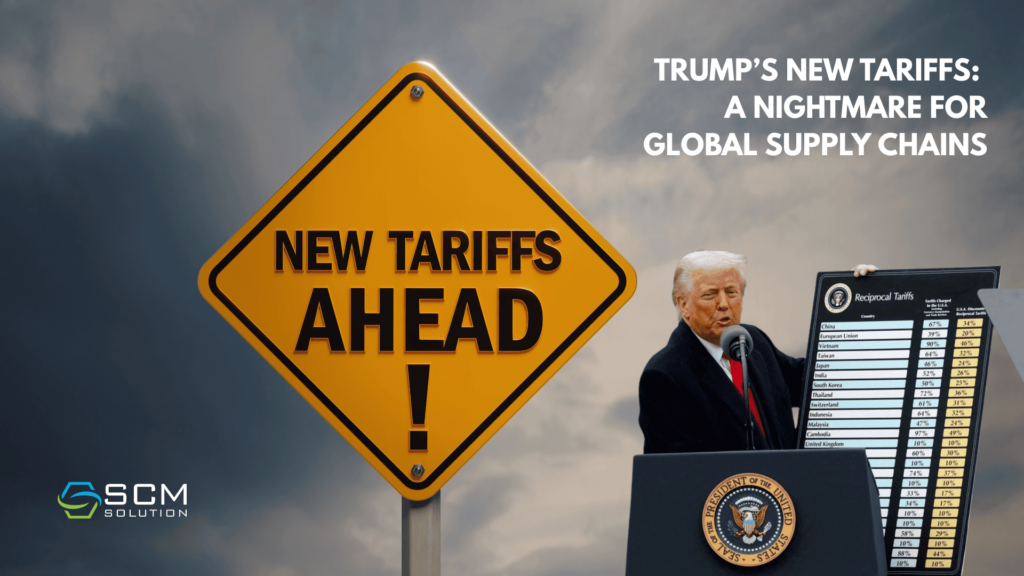
In a move that could reshape international trade yet again, former U.S. President Donald Trump has announced plans to reintroduce or expand tariffs on goods imported from China. This policy shift, reminiscent of the 2018-2019 trade war, has sent a ripple of concern across industries, especially for companies that rely heavily on Chinese manufacturing.
Trump’s Proposed Tariffs — What’s on the Line?
Proposed Tariff Levels:
- Trump has proposed massive tariffs of 104% on all Chinese imports, which would surpass the 2018-2019 trade war levels. These tariffs could affect over $500 billion worth of Chinese exports to the U.S.
- A new 10% baseline tariff on all foreign goods entering the U.S. has also been proposed, with additional sector-specific tariffs targeting industries like semiconductors, EVs, solar panels, steel, aluminum, and medical supplies.
*UPDATED:
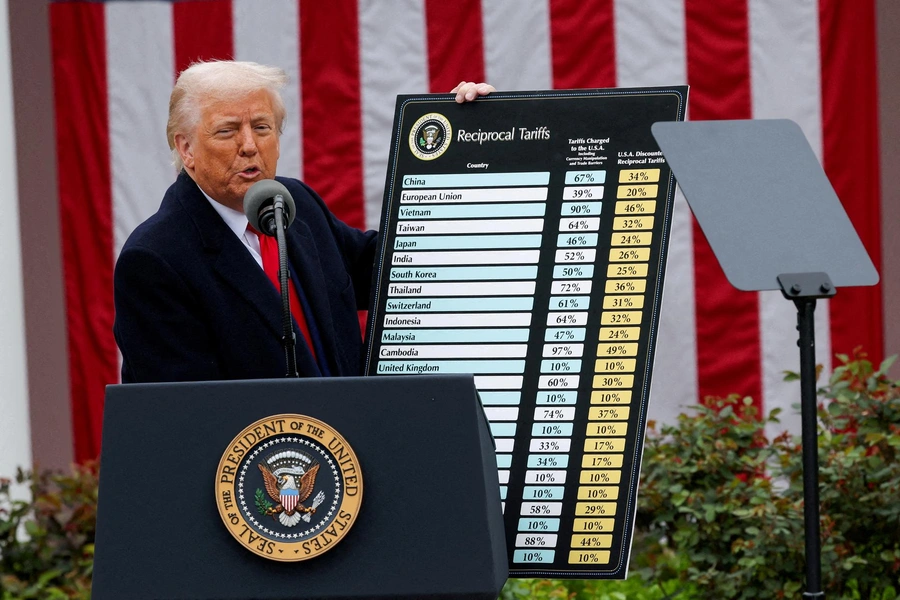
On April 9, 2025, President Donald Trump announced a 90-day pause for countries hit by higher US tariffs, but a trade war with China has escalated, with tariffs on goods from China increasing to 125%. In a dramatic policy change, Trump said all countries that had not retaliated against US tariffs would receive a reprieve – and only face a blanket US tariff of 10% – until July. See the Trump tariffs list by country.
Taiwan and Vietnam are among the countries listed by U.S. President Donald Trump for a 90-day pause of his “reciprocal” tariffs.
Economic Impact:
- The S&P 500 index has already seen significant declines in response to tariff announcements, with $5.8 trillion in market capitalization wiped out in just four days.
- Apparel prices are projected to rise by 33%, motor vehicle prices by 15.8% (adding $7,600 to an average car), and food prices by 4.5% due to these tariffs.
- The announcement of these tariffs triggered a stock market crash and heightened fears of recession. Economists warn that these measures could lower GDP growth projections and exacerbate inflationary pressures.
Global Trade Disruption:
- Tariffs are not limited to China; other countries like Vietnam (46%), Mexico (25%), and India (26%) are also targeted. This leaves businesses with limited relocation options
These unprecedented tariffs are reshaping global trade dynamics and forcing businesses to reevaluate their sourcing strategies as they grapple with higher costs, retaliatory measures from trade partners, and mounting economic uncertainty.
What Do Trump’s New Tariffs Mean for Global Supply Chains?
Global supply chains are already complex, interdependent systems. Any disruption, such as tariffs, can trigger a domino effect:
- Higher Costs:
- Tariffs will increase costs for importers, as businesses may not be able to fully pass these costs onto consumers. For example, U.S. manufacturing labor costs are significantly higher than in China ($6,000/month vs. $1,100/month).
- Businesses reliant on single-source suppliers from China will face heightened production expenses and longer lead times.
- Supplier Risks:
- Financial pressure on Chinese suppliers could lead to operational disruptions and compliance issues.
- Retaliatory tariffs from affected countries could further destabilize supply chains.
- Urgent Need for Diversification:
- Companies must adopt a “China+1” strategy—maintaining some capacity in China while diversifying production to other countries like Vietnam or Taiwan.
- Vietnam offers competitive labor costs and improving infrastructure, while Taiwan is advancing in smart manufacturing and Industry 4.0 technologies.
Why Asia Remains a Strategic Sourcing Destination
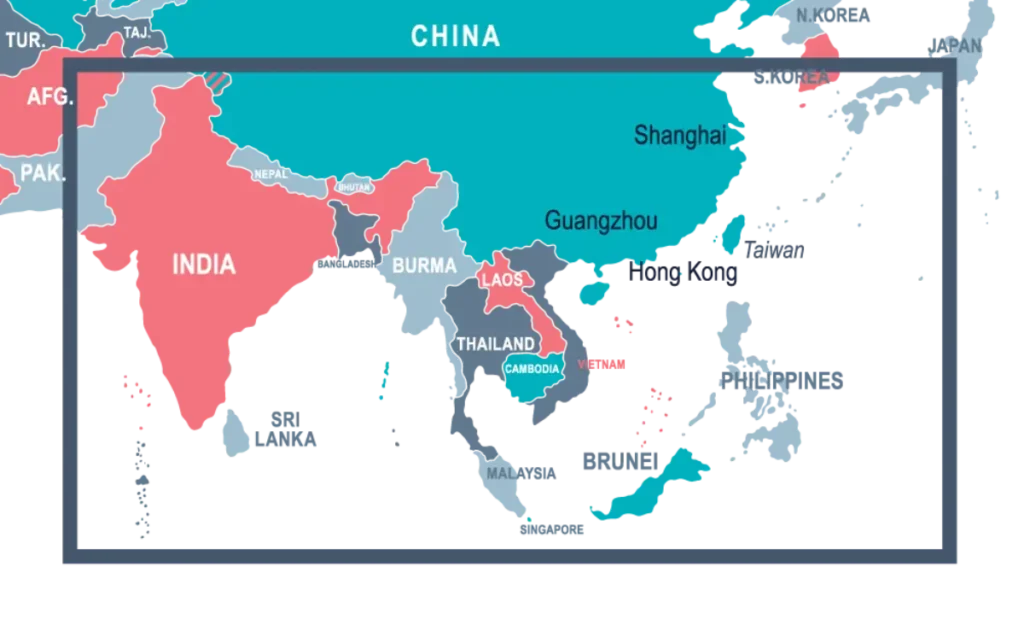
Despite rising geopolitical risks, Asia remains essential to global supply chains. But now, the focus is shifting beyond China.
Countries like Taiwan and Vietnam are emerging as top alternatives, offering:
- Skilled labor and technical expertise
- Competitive costs and improving infrastructure
- Strategic trade agreements with the U.S. and EU
- Lower risk of direct tariff impact (compared to China)
Let’s discover more details:
Vietnam:
- Vietnam continues to be a prime sourcing destination due to its low labor costs, skilled workforce, and improving infrastructure. Factory workers in Vietnam earn an average of $250/month compared to $500/month in China, making it a cost-effective option.
- Vietnam has signed major trade agreements like the Comprehensive and Progressive Agreement for Trans-Pacific Partnership (CPTPP) and the EU-Vietnam Free Trade Agreement (EVFTA), offering favorable trade terms and market access.
- The country specializes in textiles, electronics, furniture, and agriculture, although challenges such as reliance on imports from China for raw materials persist.
Taiwan:
- Taiwan stands out for its advanced manufacturing capabilities, particularly in semiconductors and electronics. The semiconductor industry alone is projected to generate $37.7 billion in revenue in 2025 with an annual growth rate of 8.47%.
- Taiwan’s skilled workforce excels in high-tech industries, despite facing some labor shortages. It also enjoys relatively low tariff risks under Trump’s proposed trade policies, as assessed by the Trump Risk Index.
- Taiwan’s strategic location and focus on innovation make it an attractive option for companies seeking diversification away from China
- The strategy many companies are now pursuing: “China+1” — maintaining some capacity in China while developing additional production bases in neighboring countries.
How SCM Solution Helps Businesses Navigate Supply Chain Shifts in Asia
At SCM Solution, we specialize in helping international businesses build flexible, efficient, and cost-effective supply chains in Asia, with boots-on-the-ground support in Taiwan, Vietnam, and China.
Our Core Solutions:
1. Strategic Sourcing & Supplier Matching
We identify, audit, and connect you with reliable manufacturers based on your product specs, volume, and cost targets.
2. Product Development & Quality Control
From prototyping to mass production, we help you manage the entire product lifecycle, ensuring quality and consistency.
3. Logistics Coordination & Trade Compliance
We coordinate cross-border logistics and navigate regulatory issues so your products move quickly and safely.
4. Supply Chain Restructuring
Need to move away from China due to tariffs? We help you plan and implement a shift to Taiwan or Vietnam without losing momentum.
Planning Ahead: What Can You Do Now?
If you’re concerned about potential tariffs or trade barriers, now is the time to act. Here are three smart steps:
- Audit your current supply chain: Where are your risks concentrated?
- Explore China+1 options: Start conversations with suppliers in Taiwan and Vietnam.
- Partner with an experienced supply chain team: You don’t have to navigate this alone. SCM Solution acts as your extension team.
Ready to Future-Proof Your Supply Chain?
It’s painful that Trump’s New Tariffs are a nightmare for Global Supply Chains. However, in any other supply chain disruption, we need to manage and have solutions accordingly. Staying calm and keeping cool heads will prevail in this difficult time. At SCM Solution, we help businesses of all sizes adapt to changing trade dynamics. Whether you need new suppliers, production relocation, or a full supply chain strategy — we’re here to help.
Supply Chain Trends Are Evolving – Is Your Business Ready? Let’s Connect and Discuss with Us.
Additional Resources
- Case Studies: How SCM Solution Helped Businesses Succeed
- Read other related articles: Choosing the Right SCM Services for Your Business
Subscribe to Yvette’s LinkedIn newsletter to read more other case studies in supply chain
